
Mother
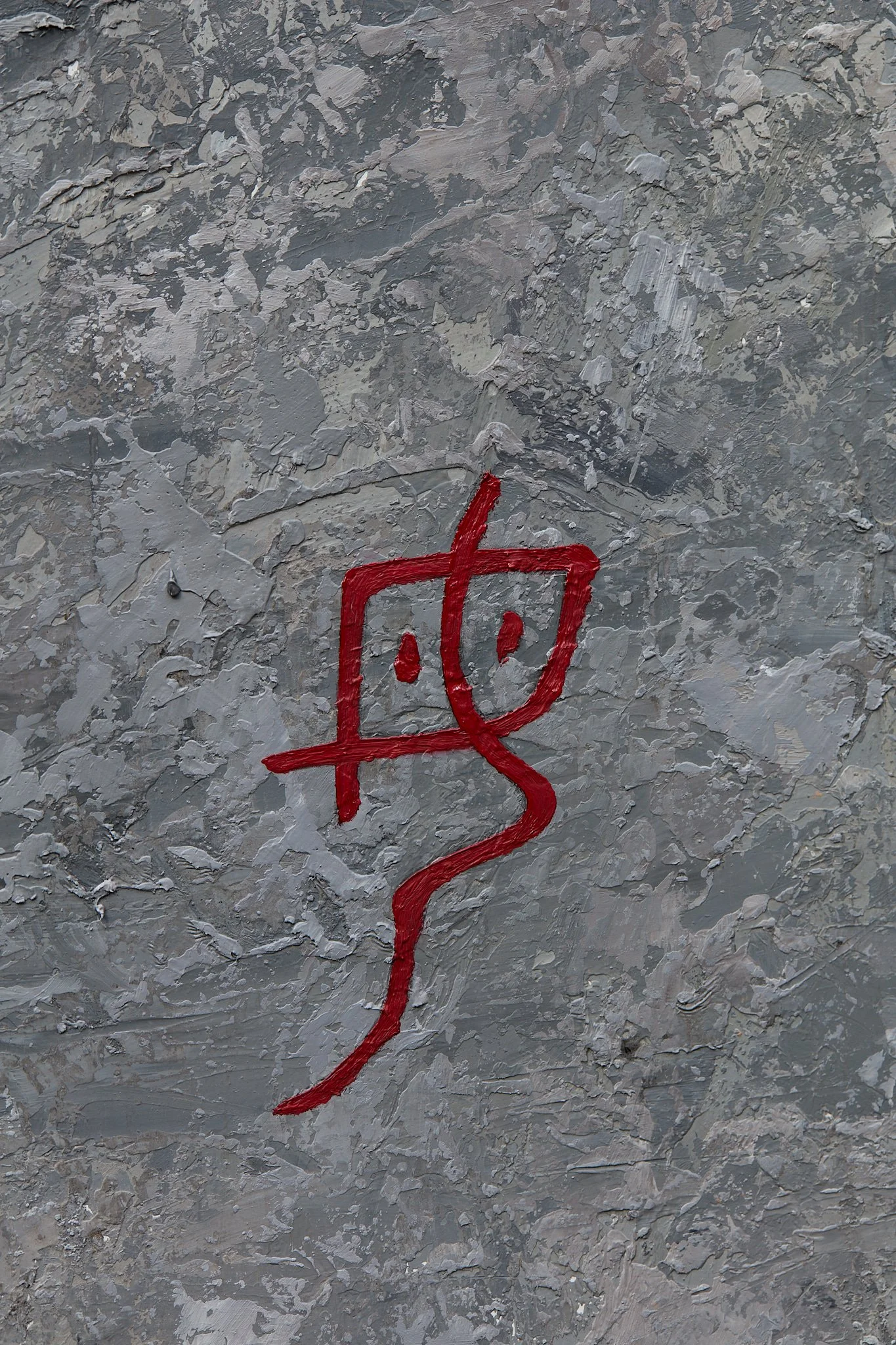
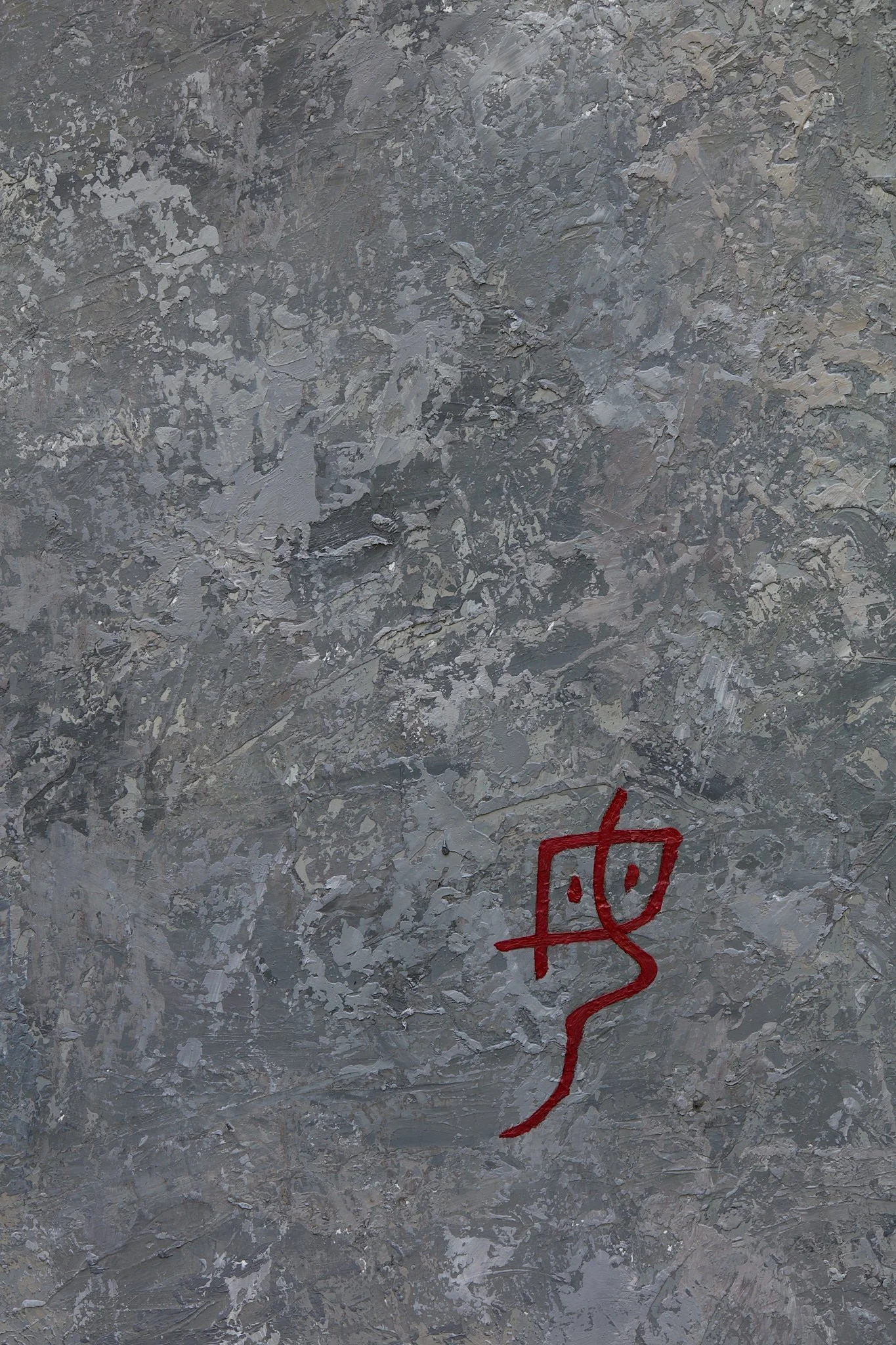
母
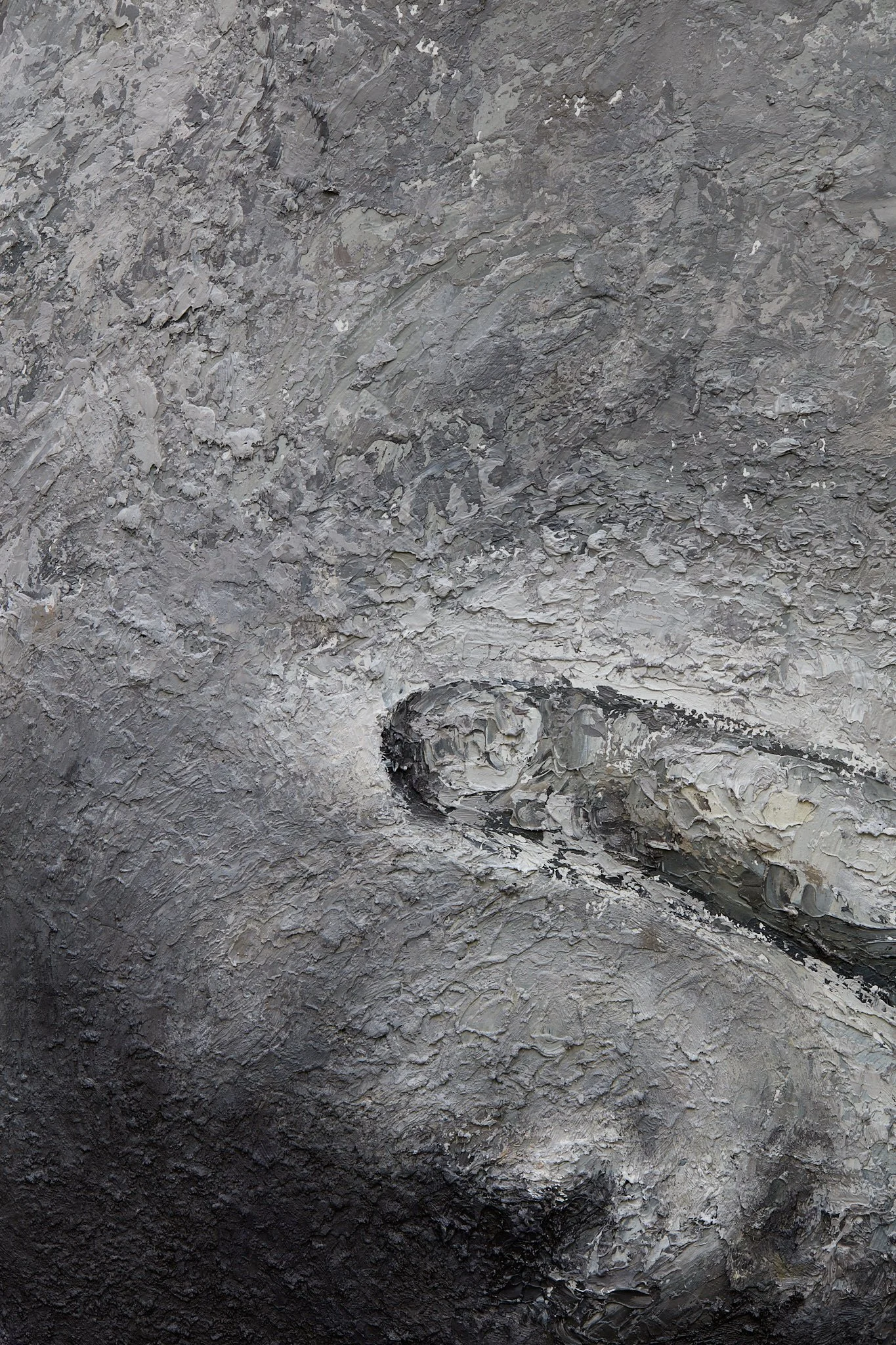
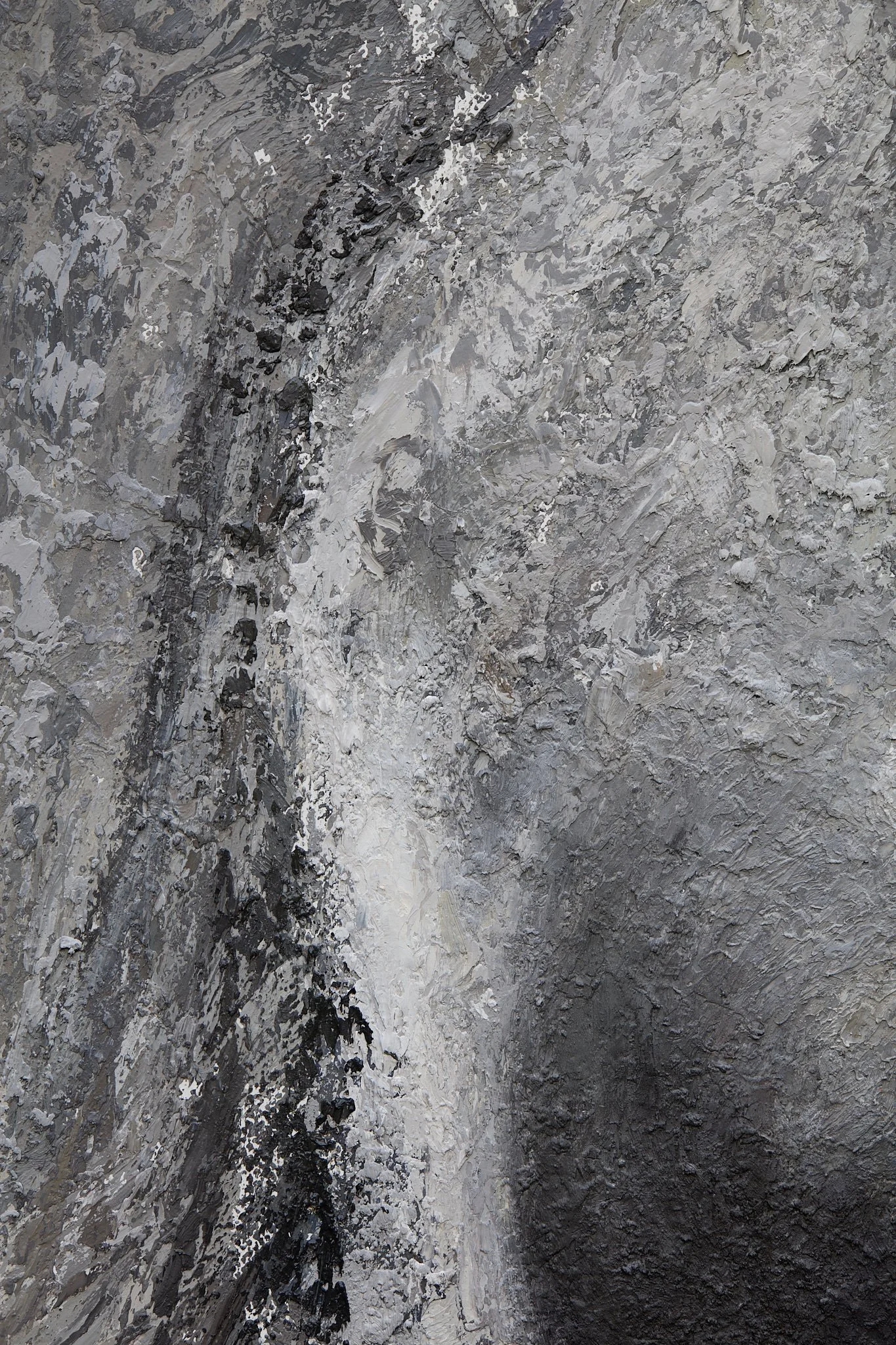
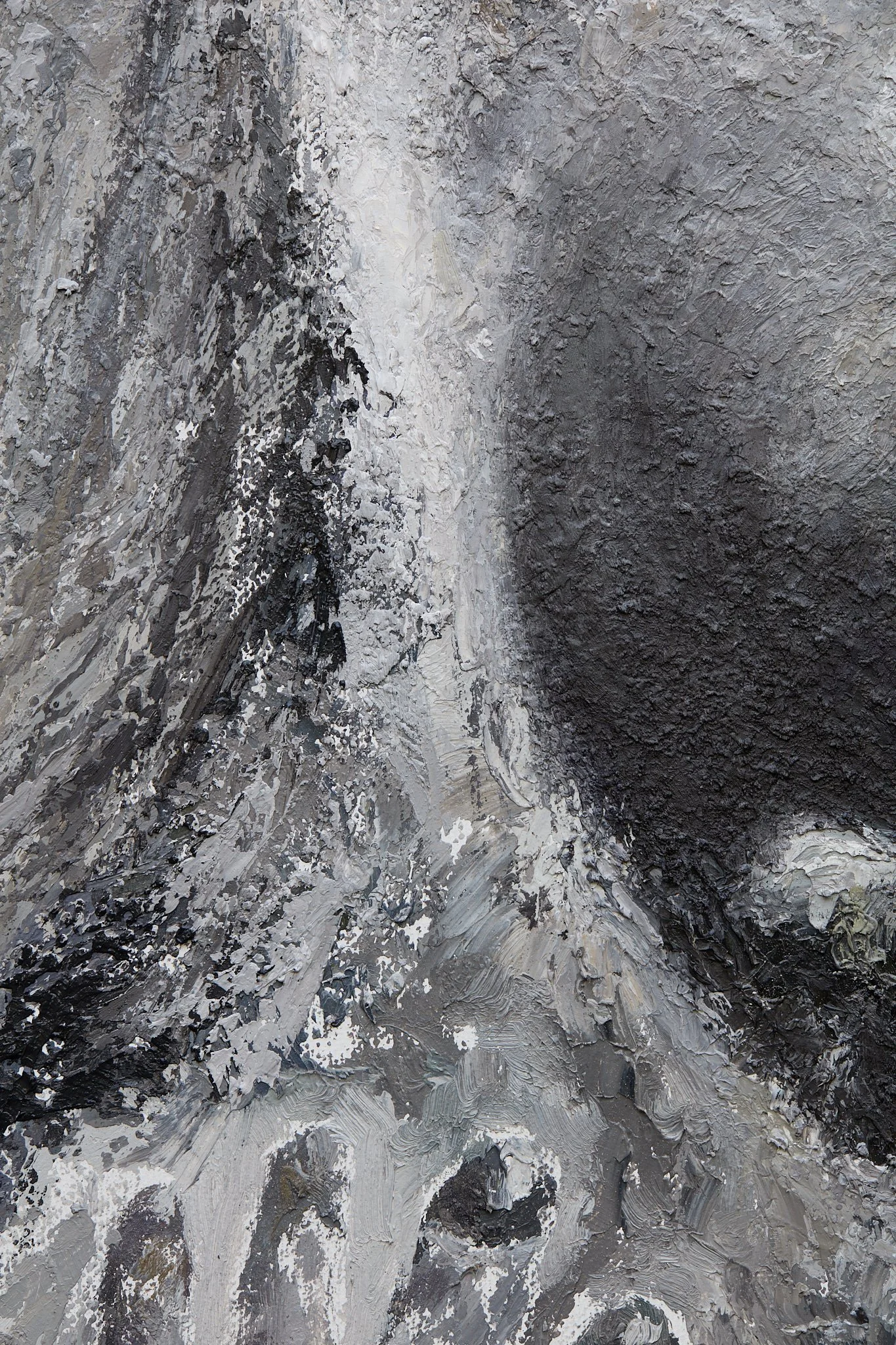
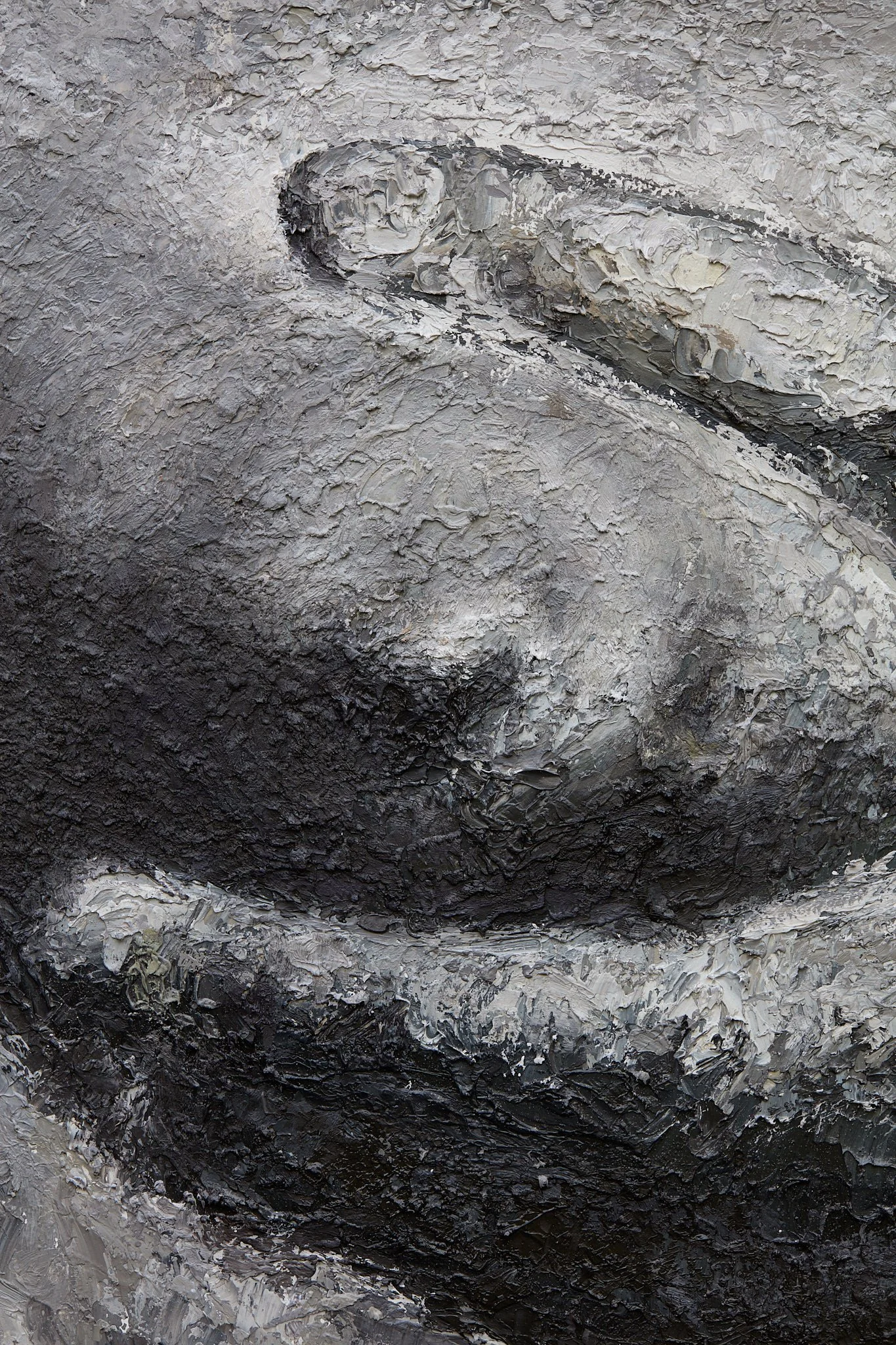
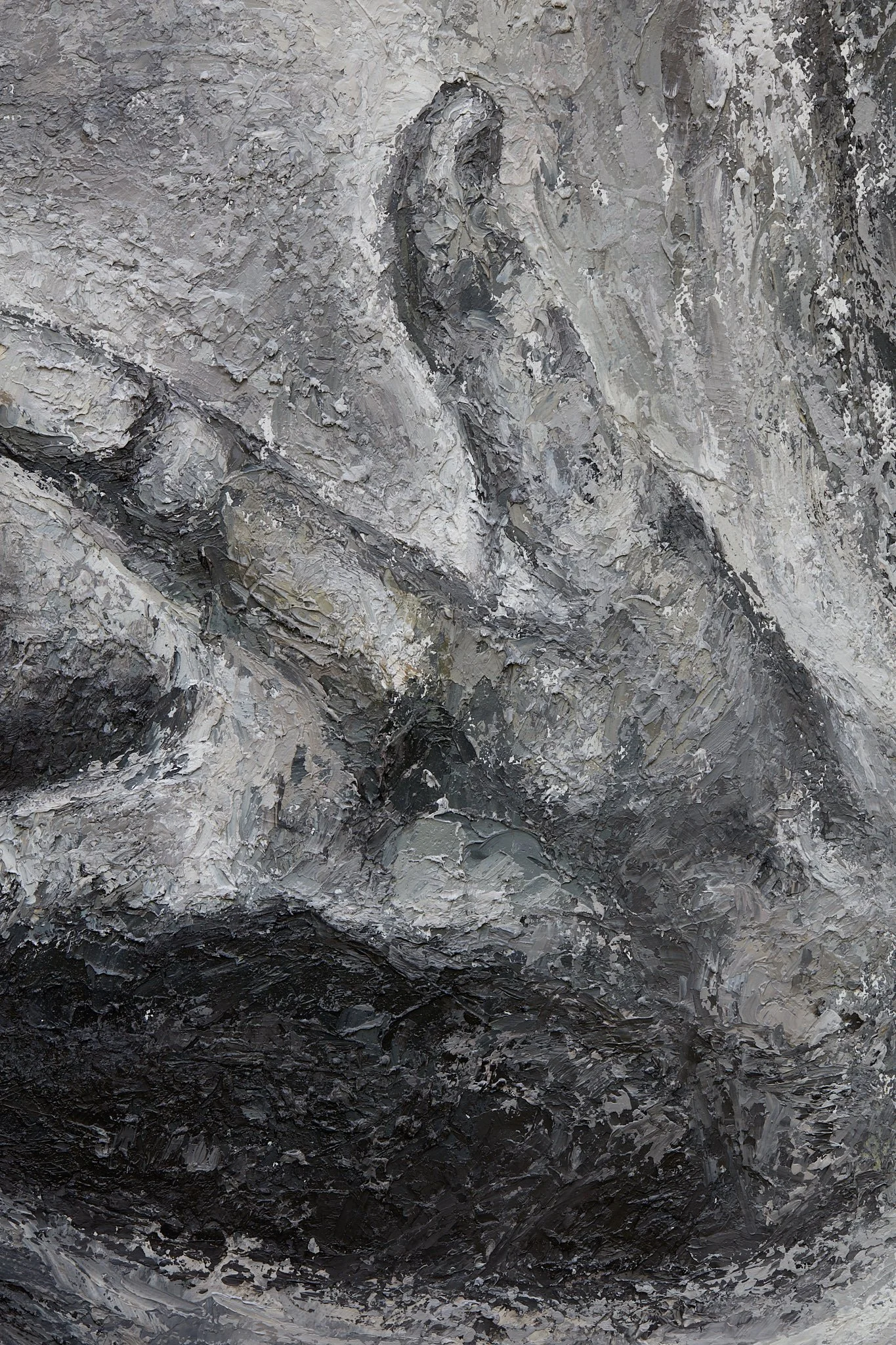
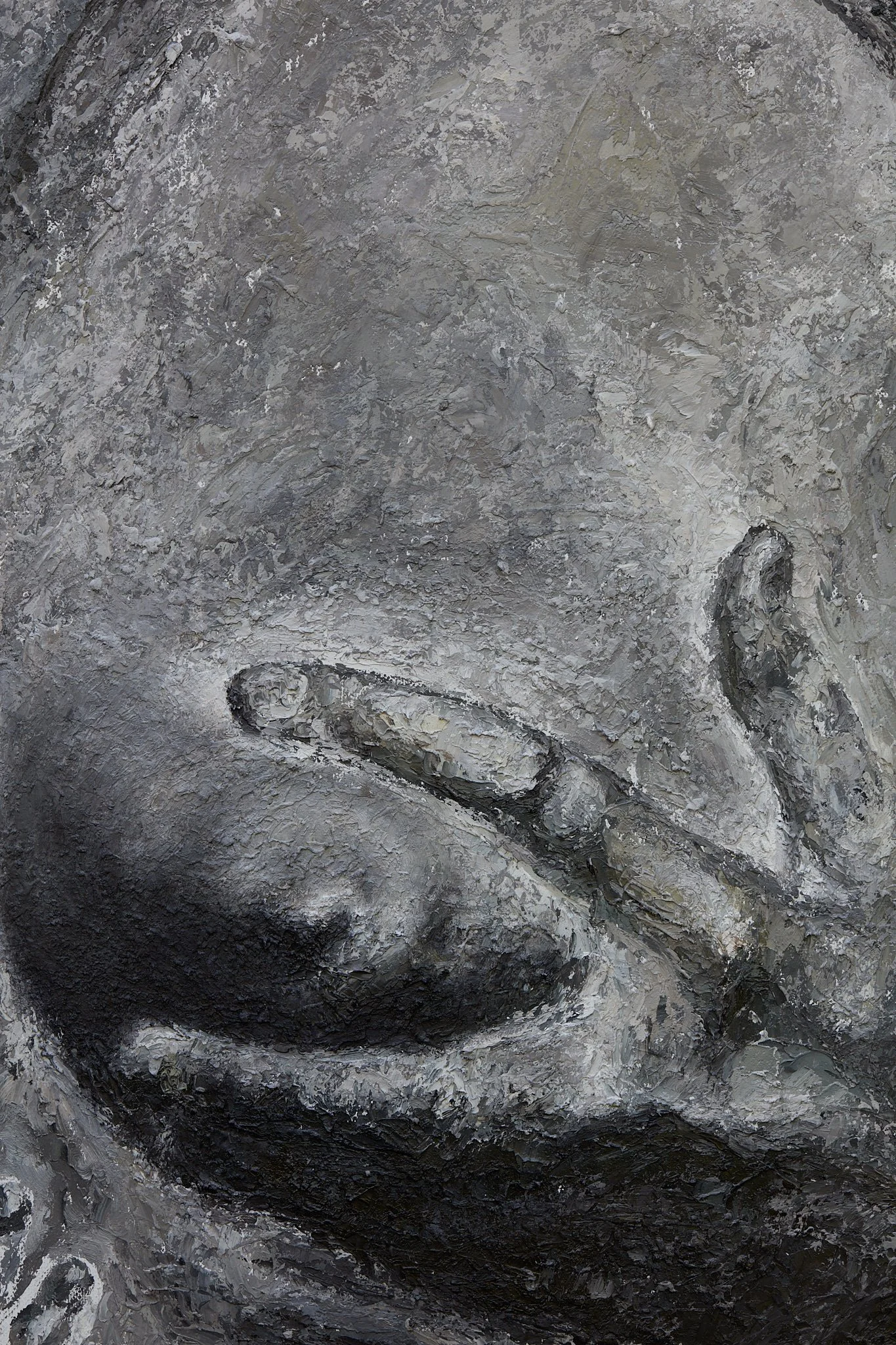
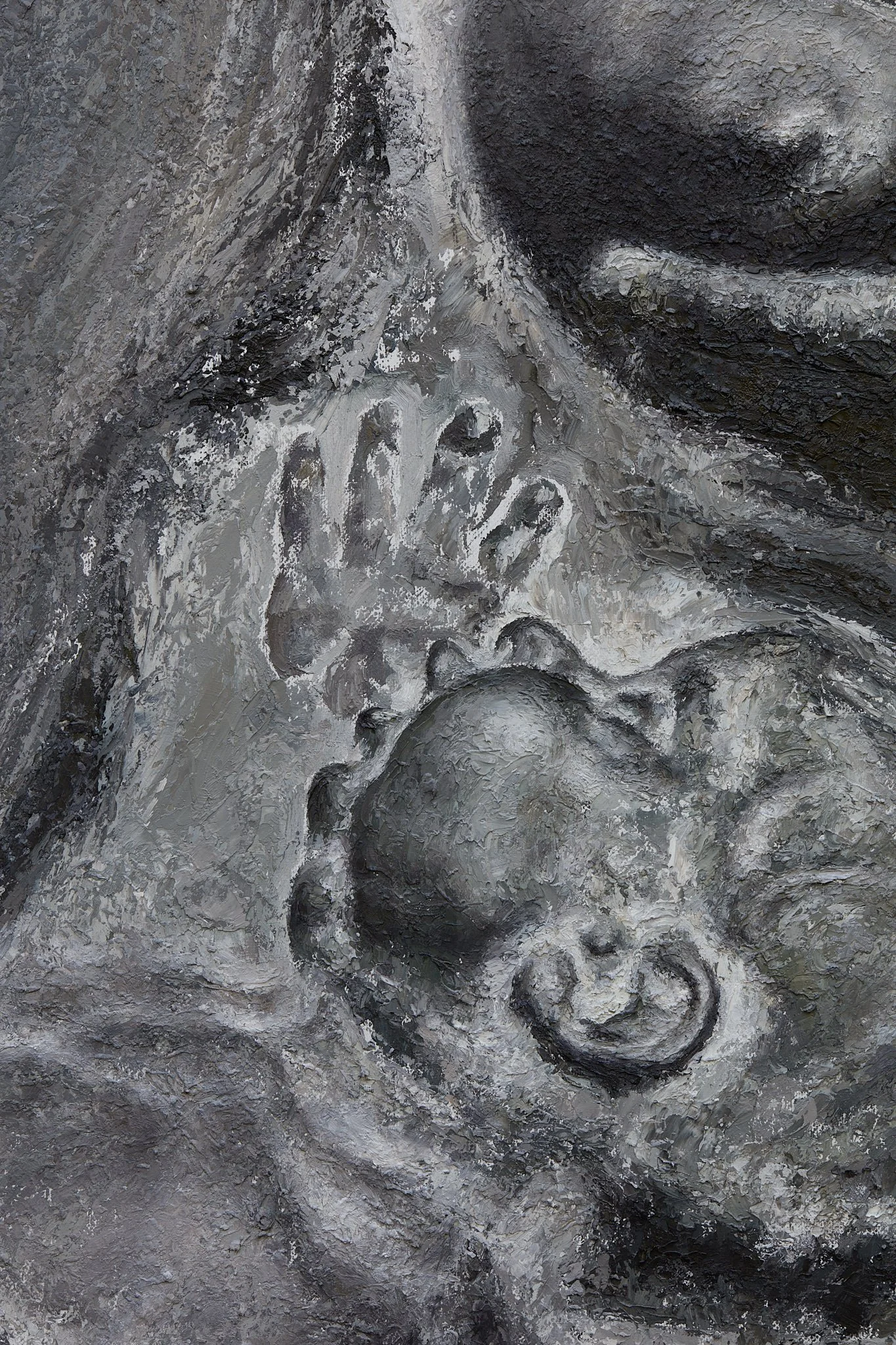
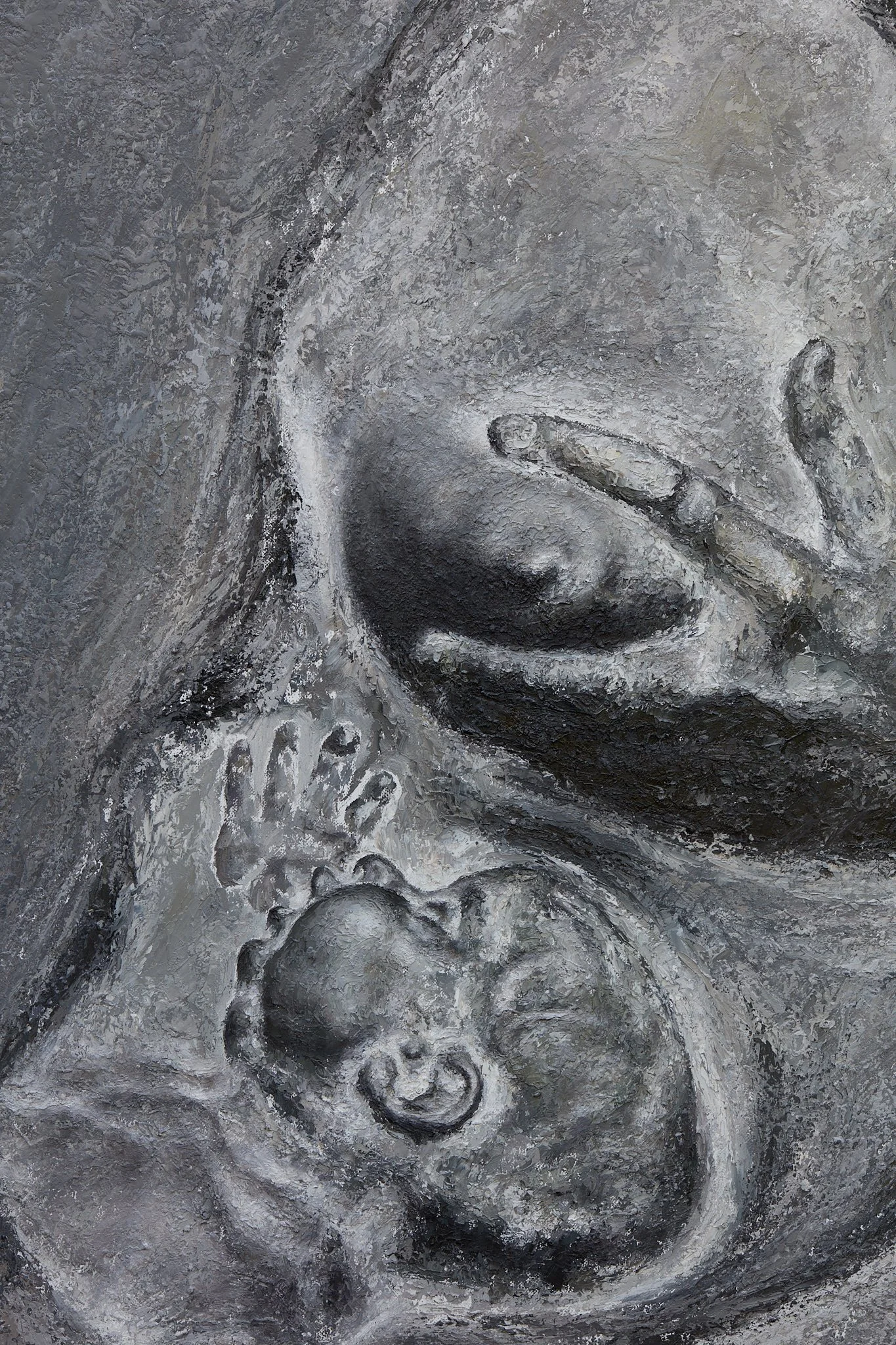
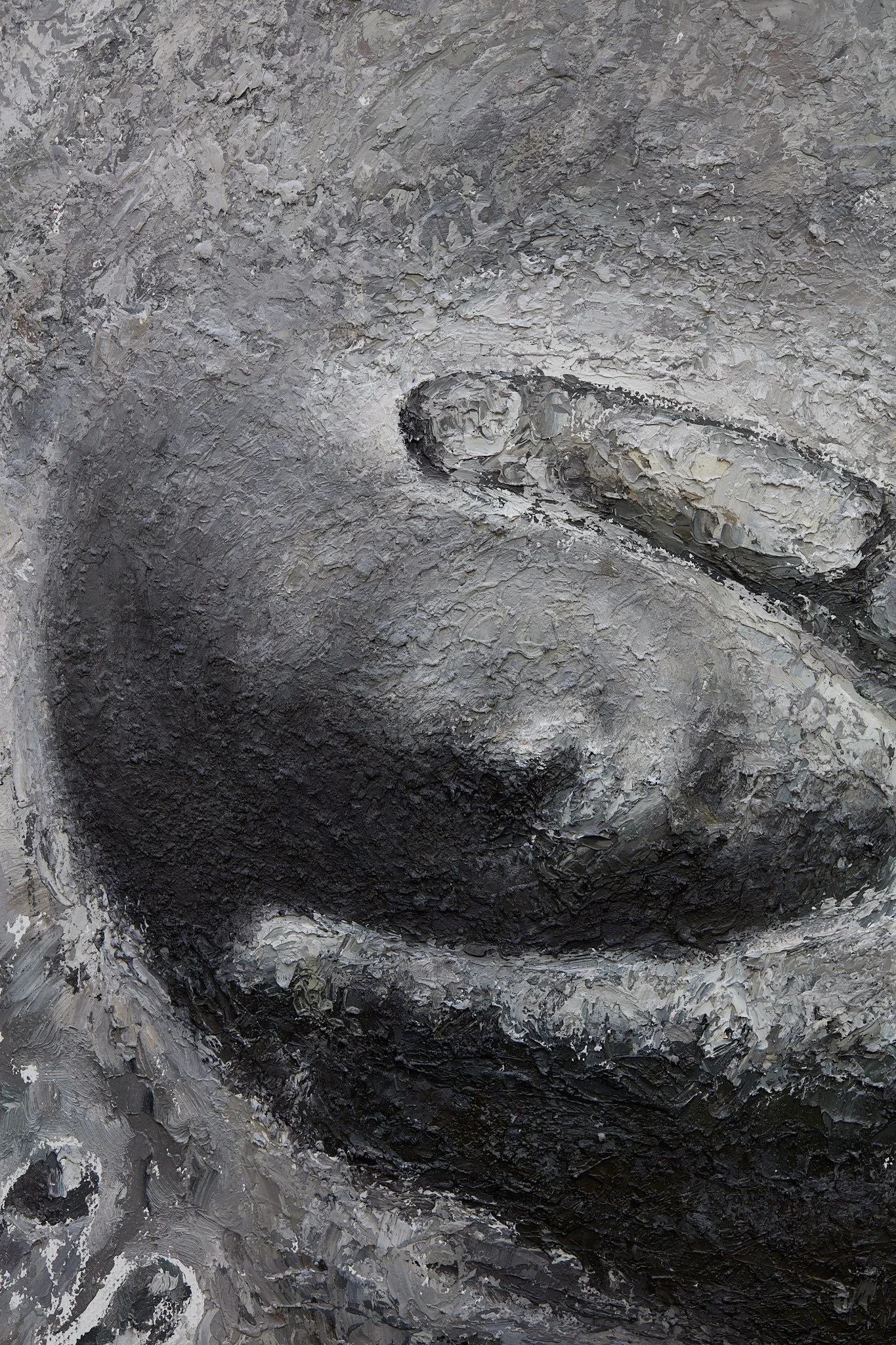
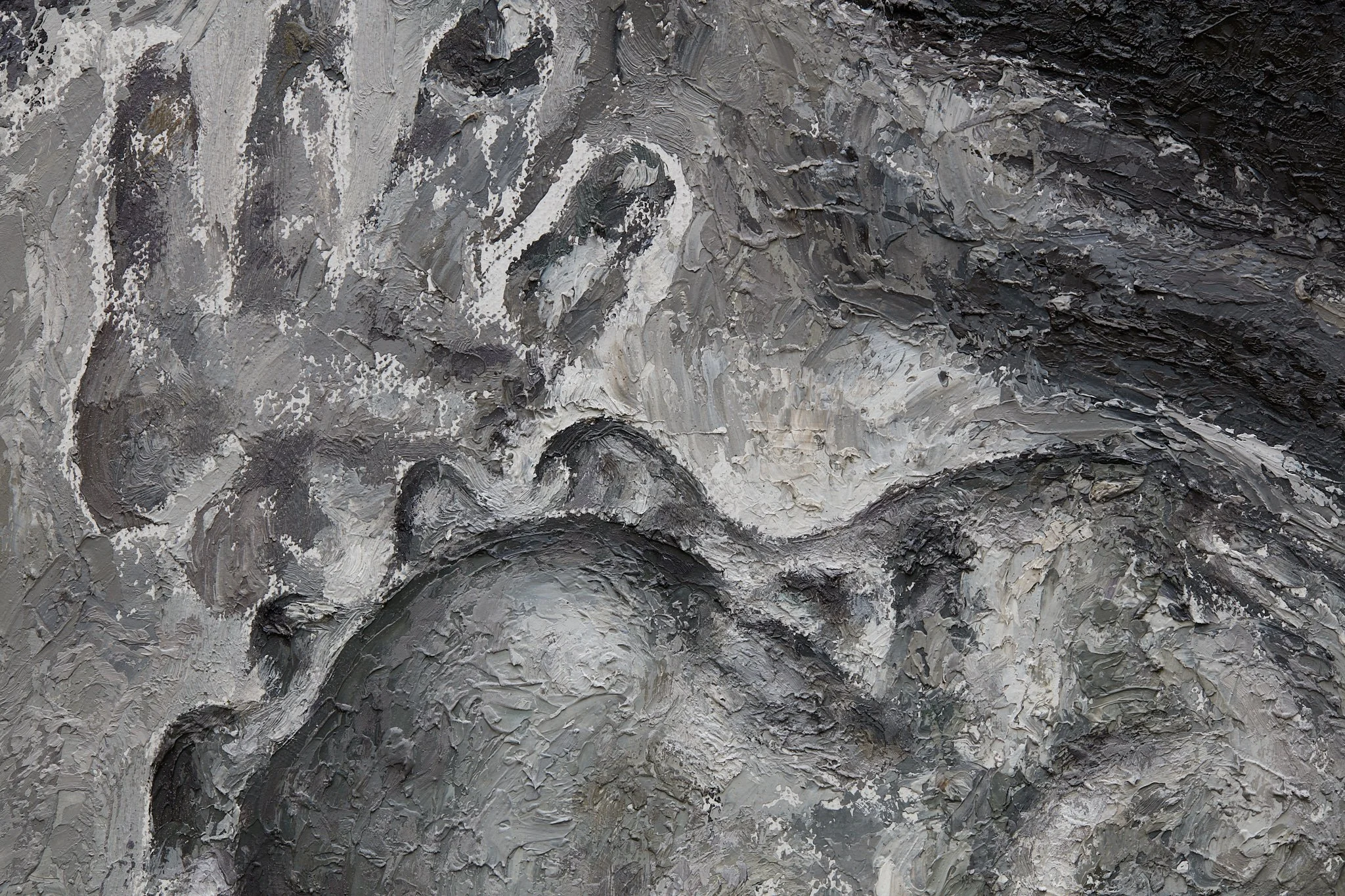
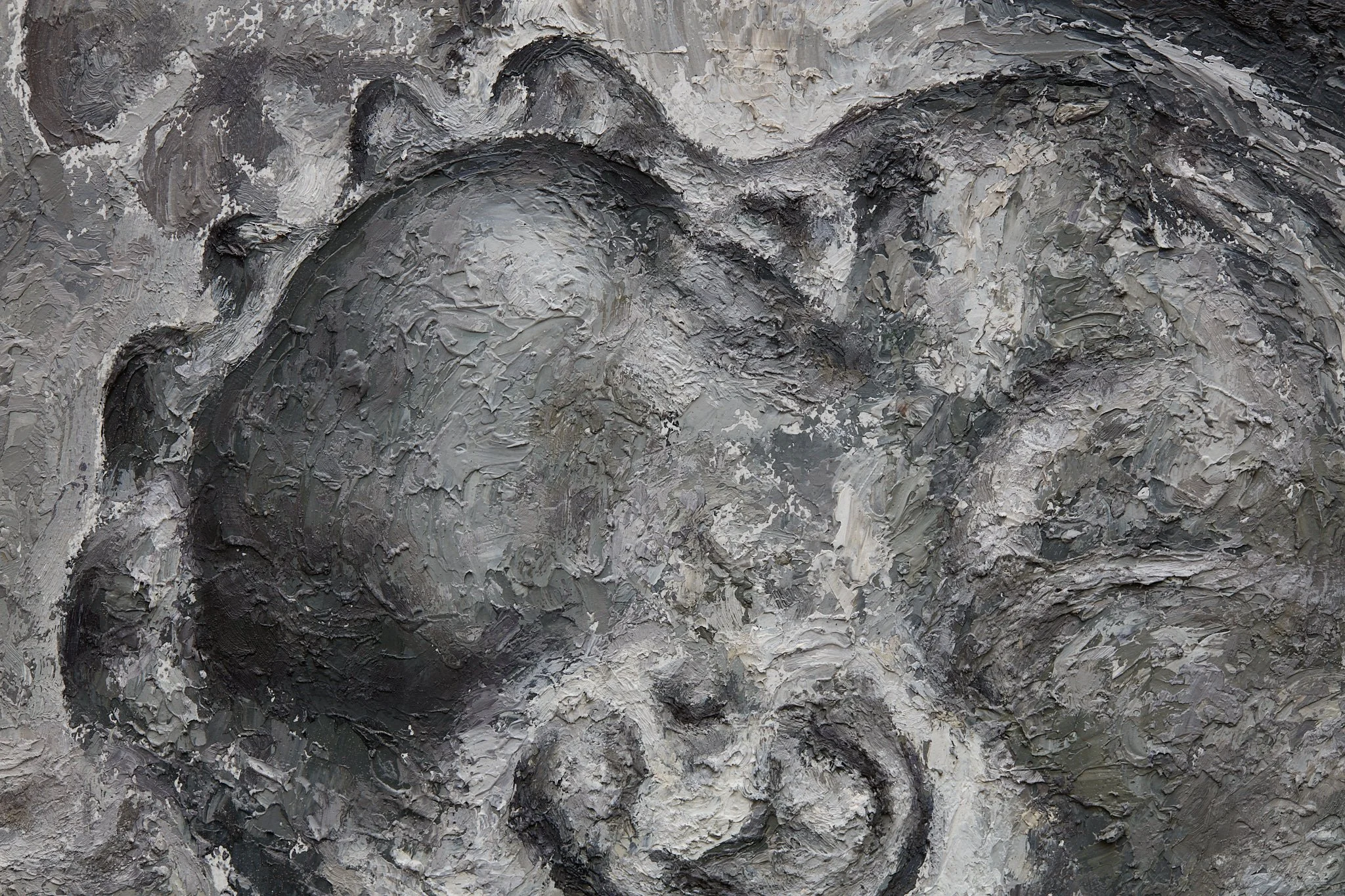
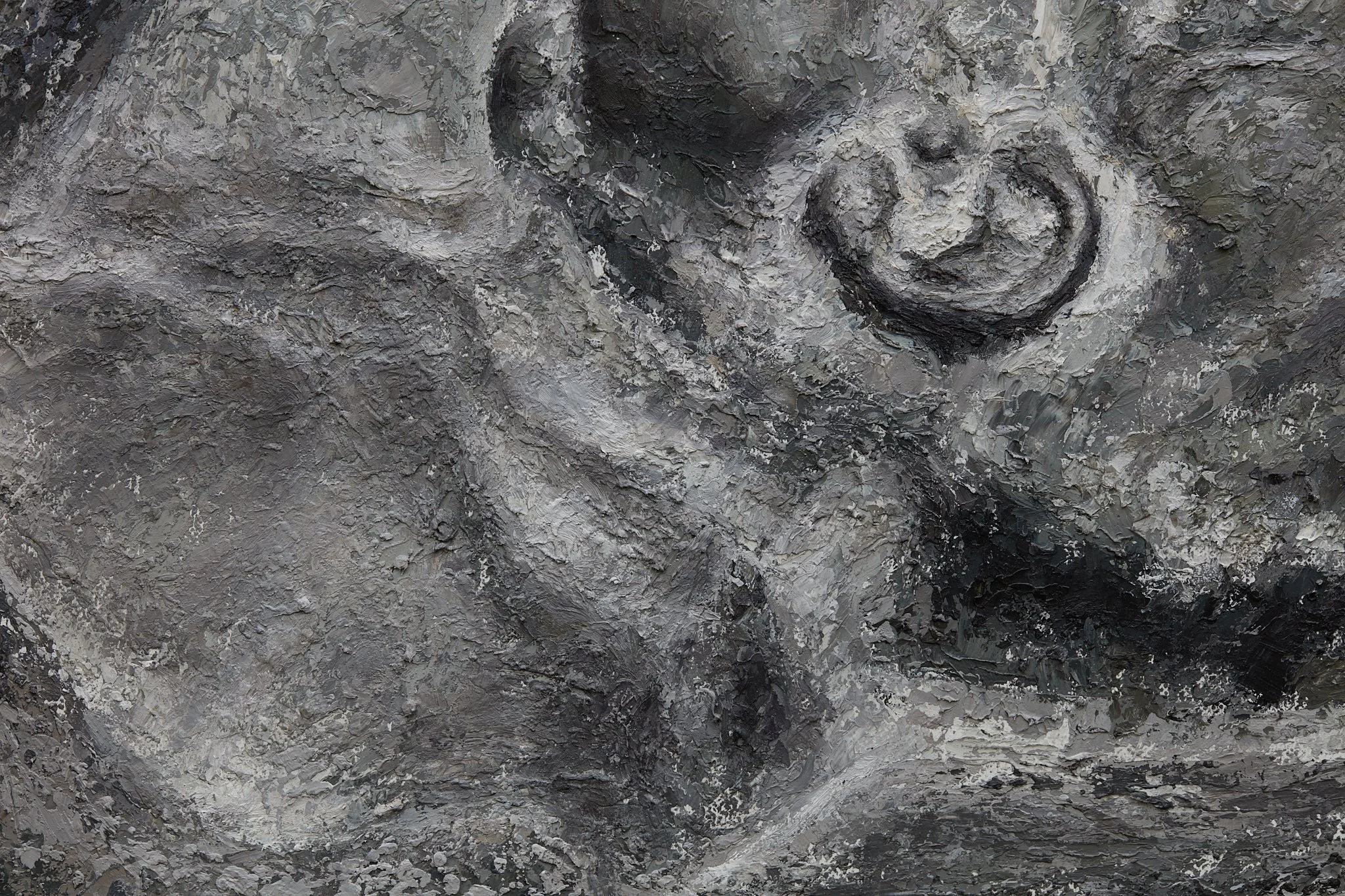
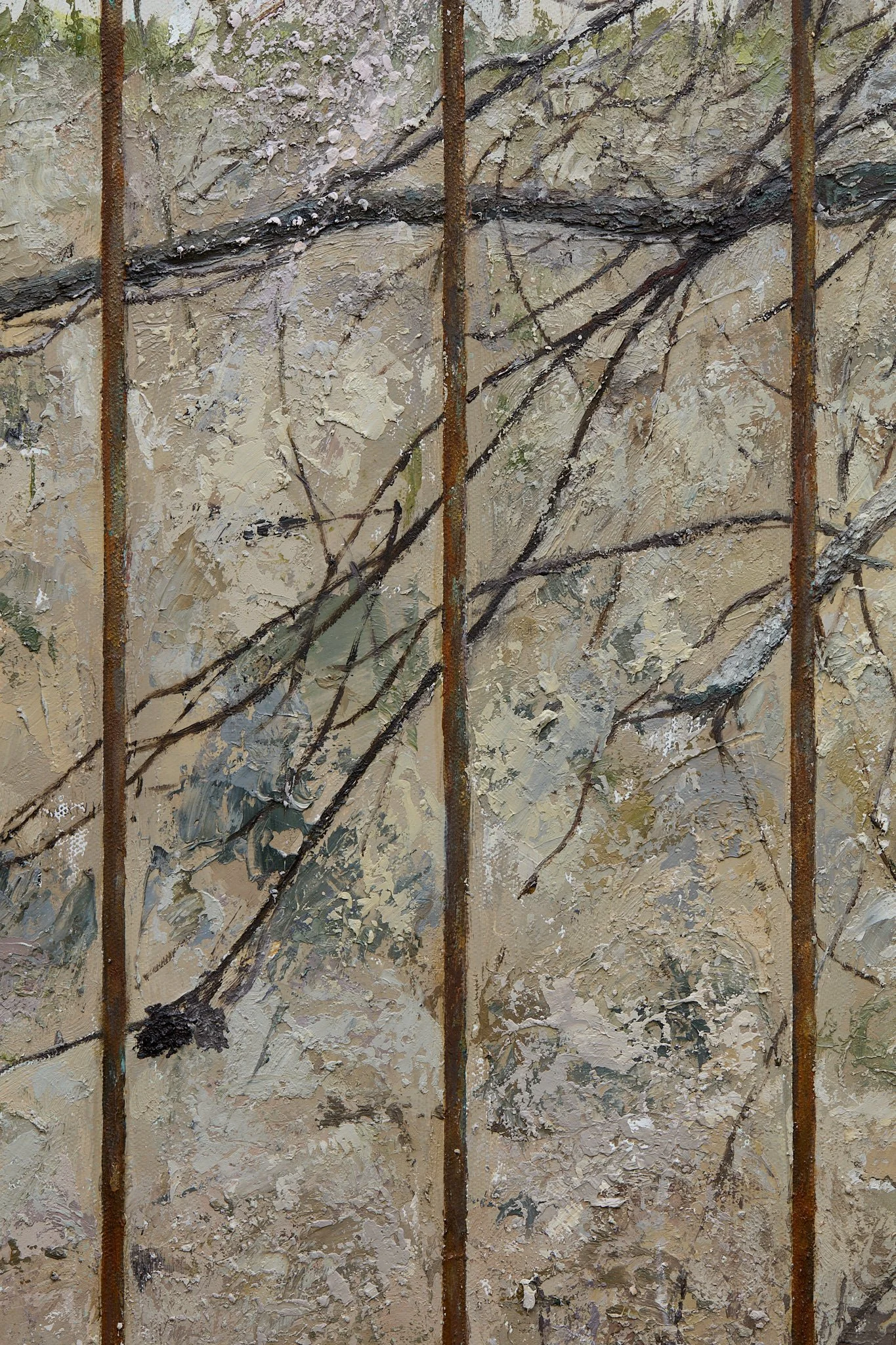
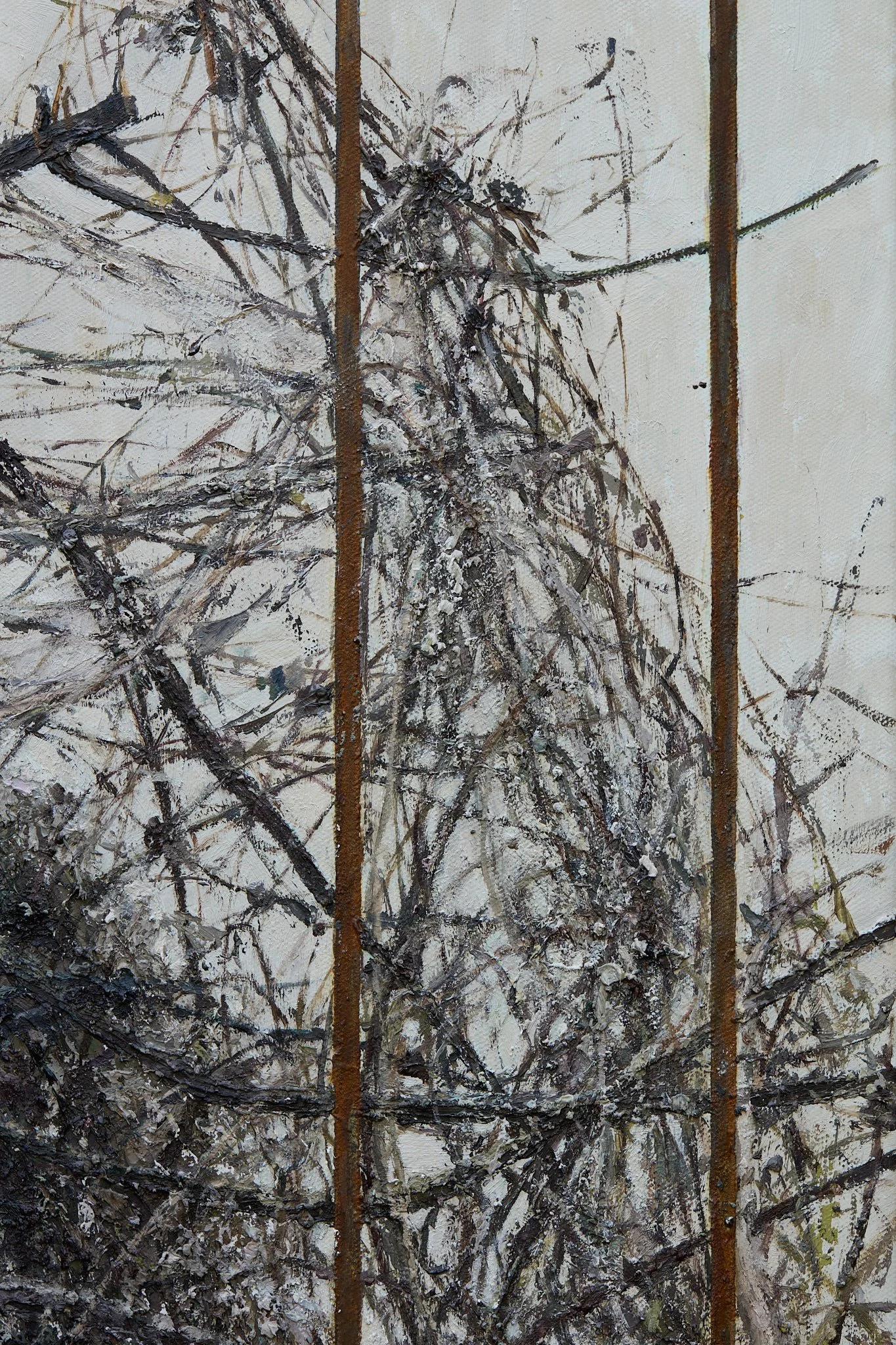
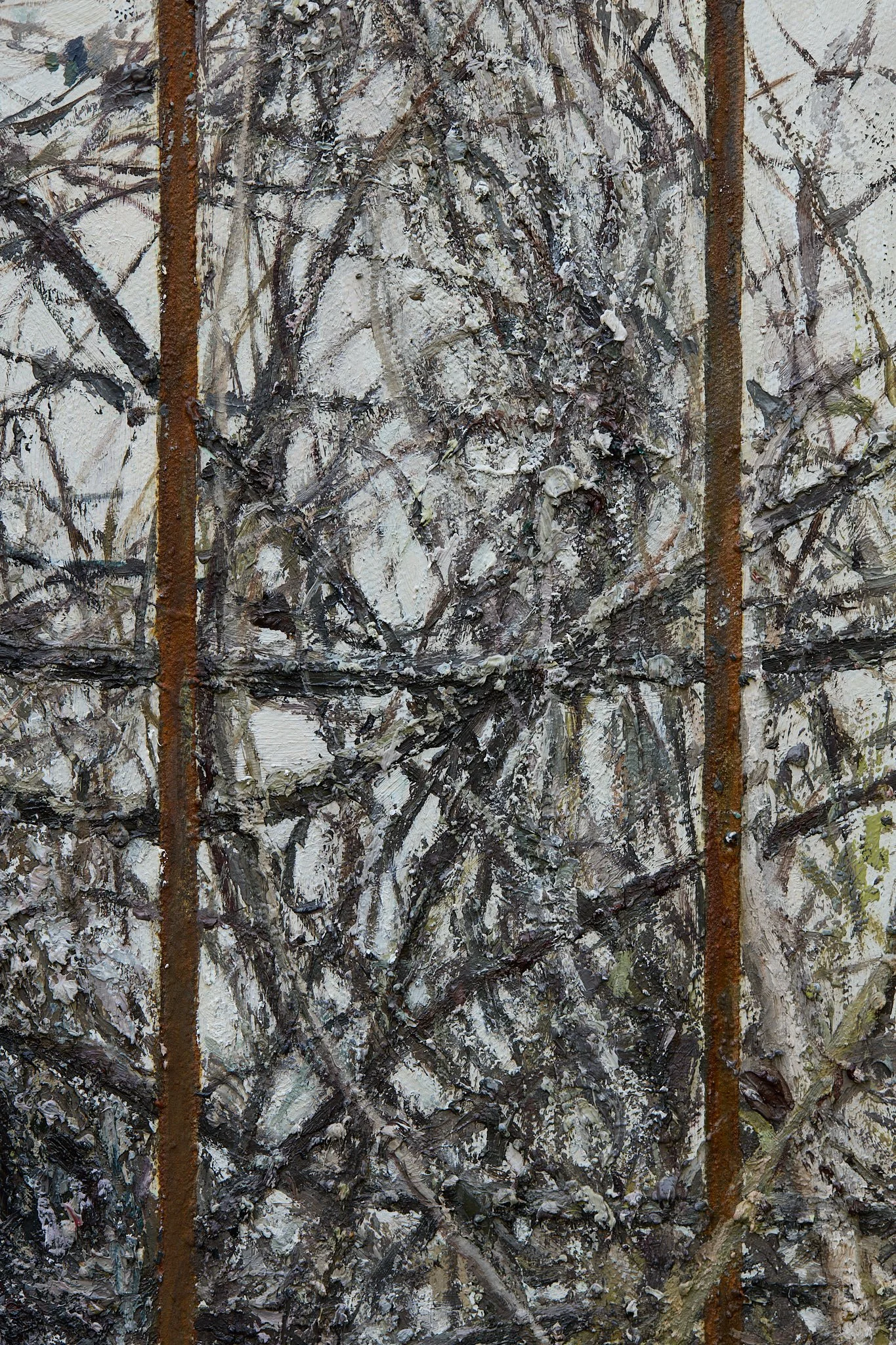
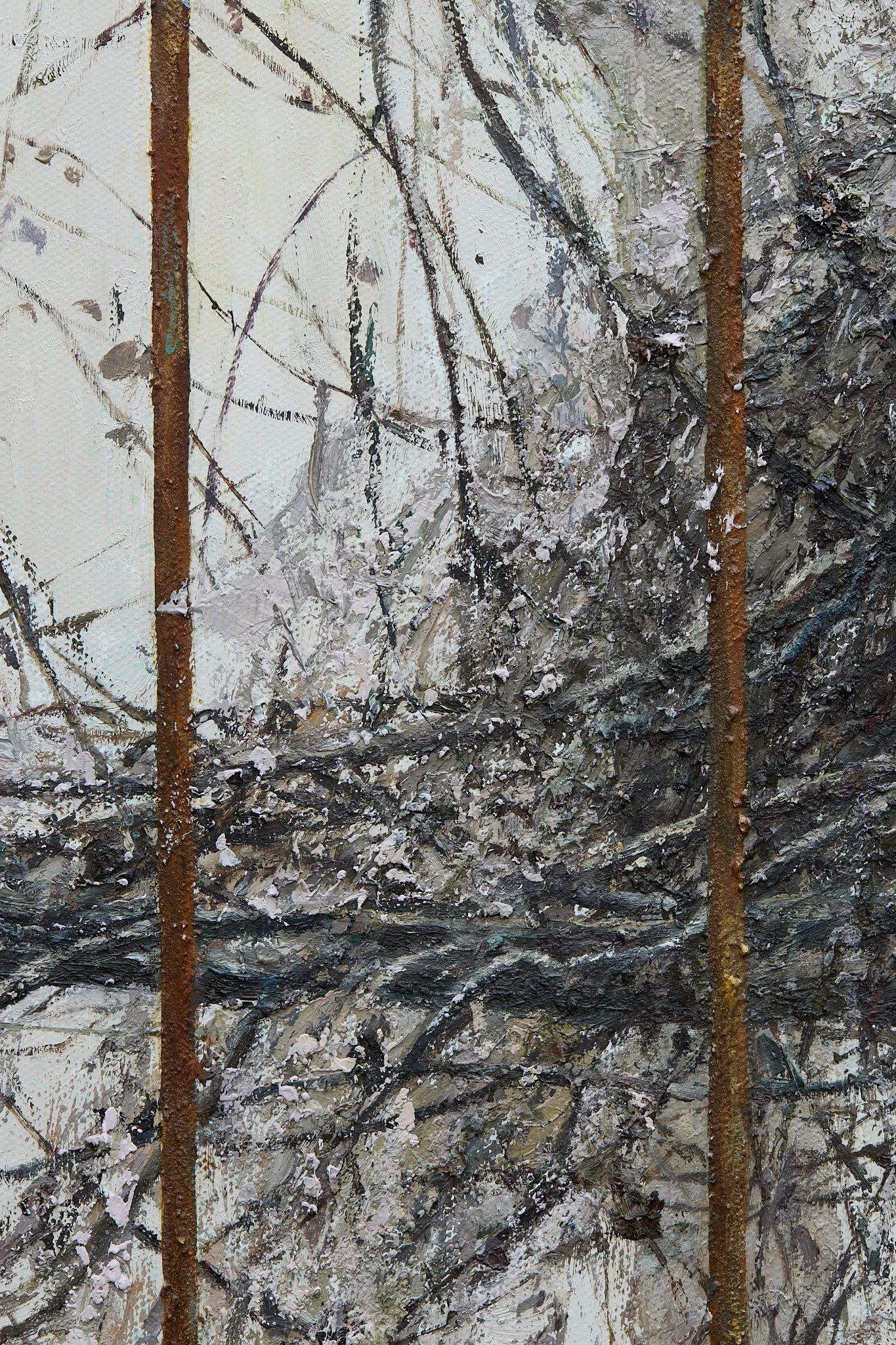
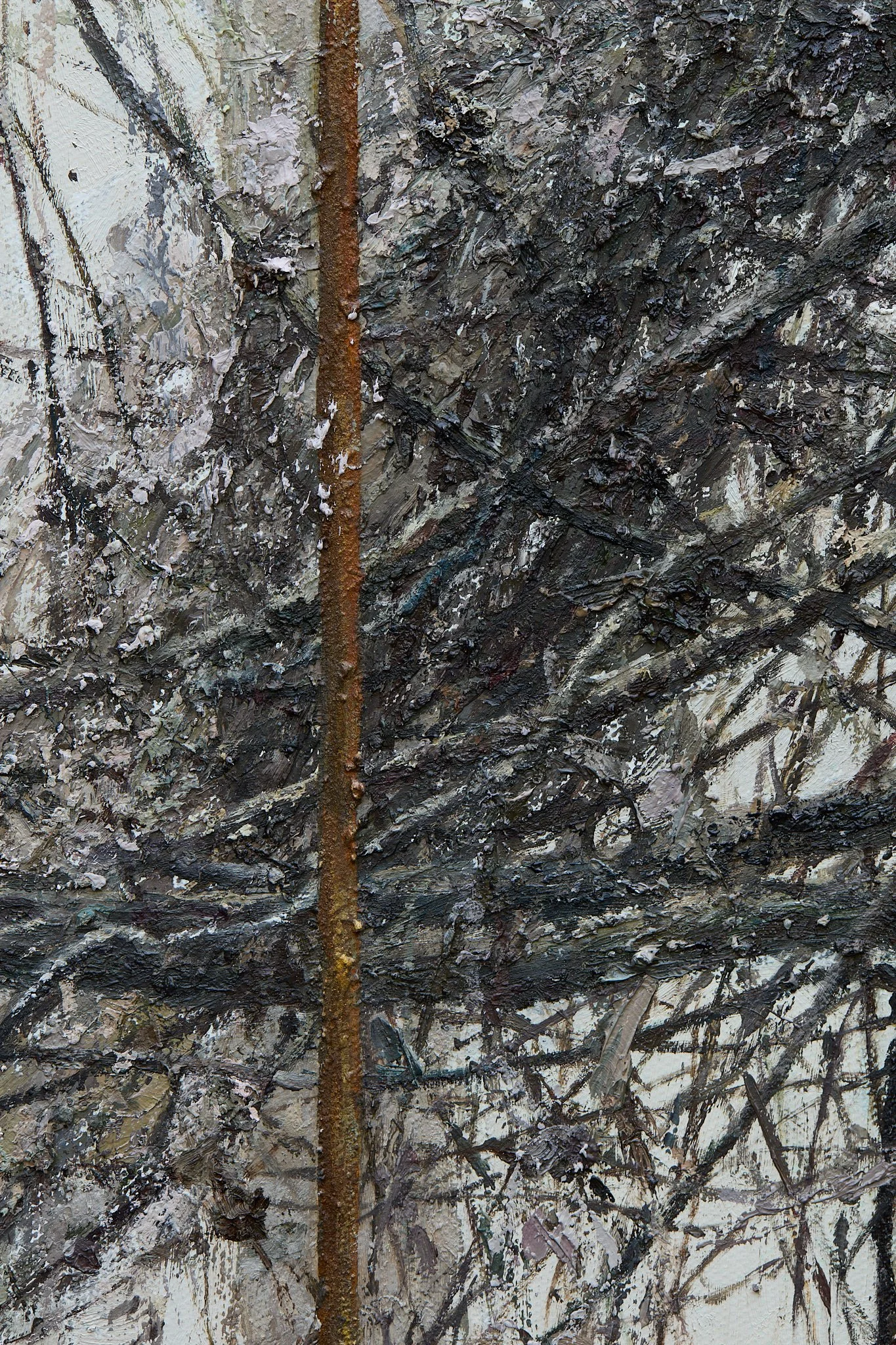
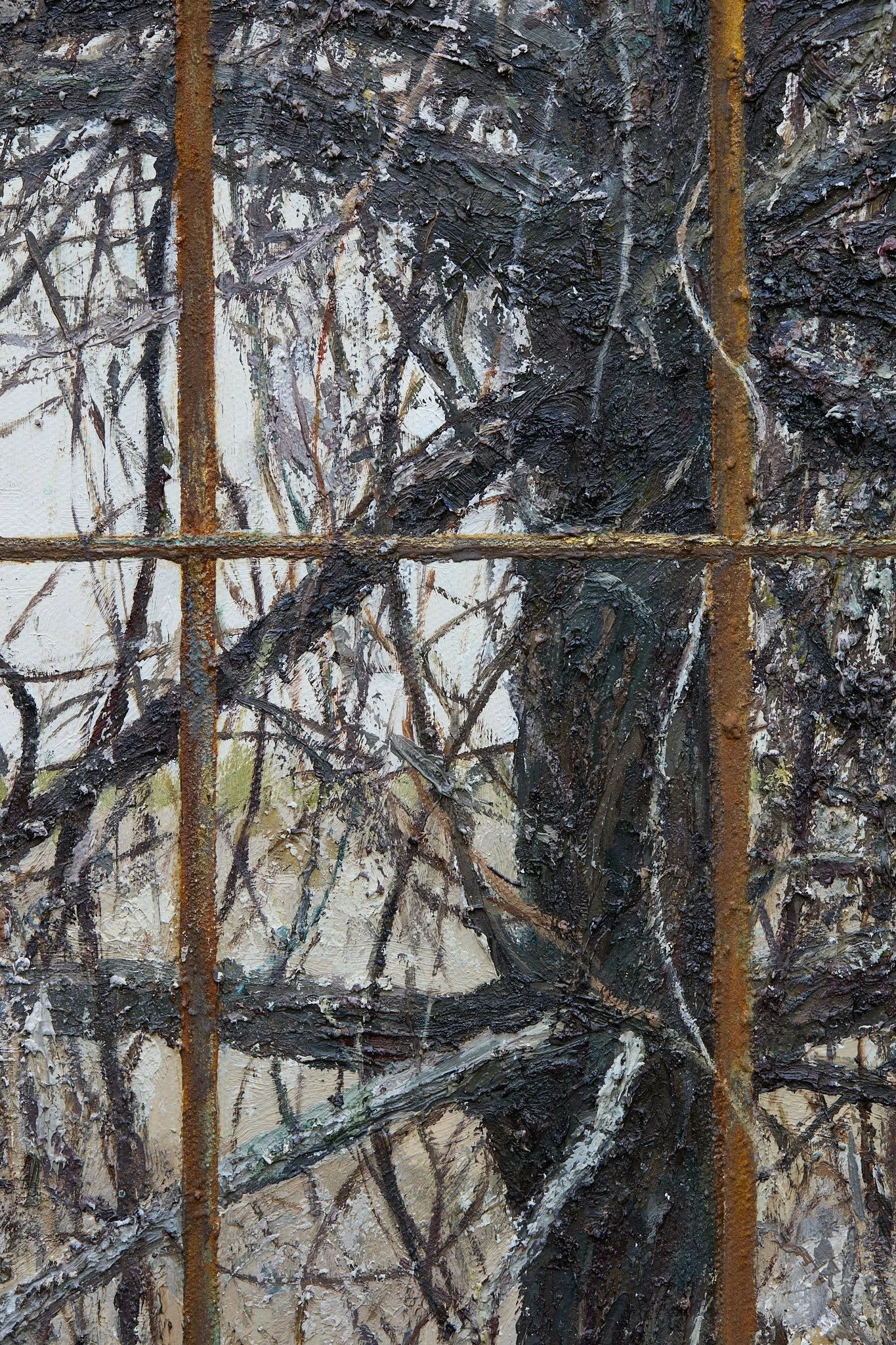
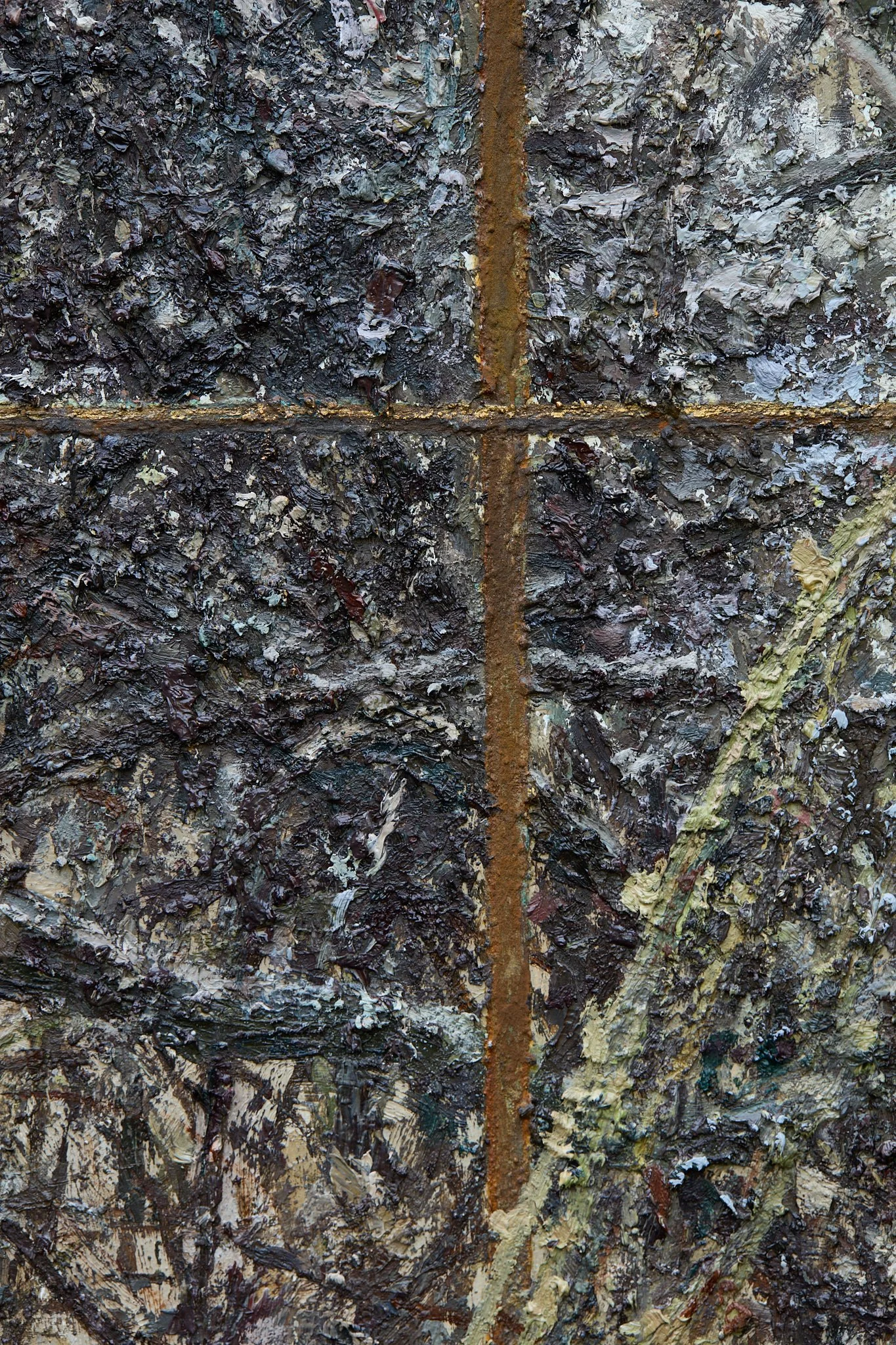
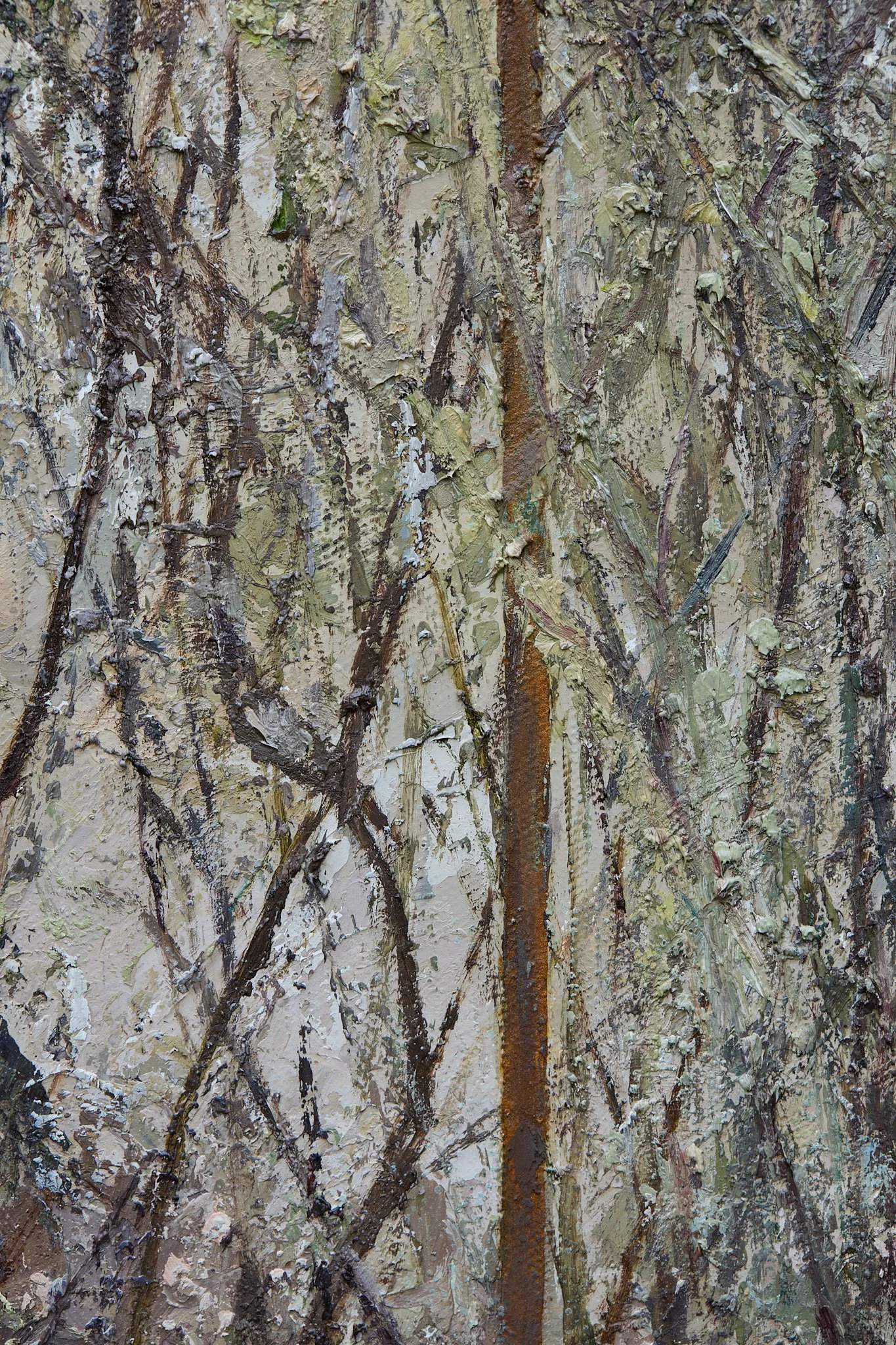
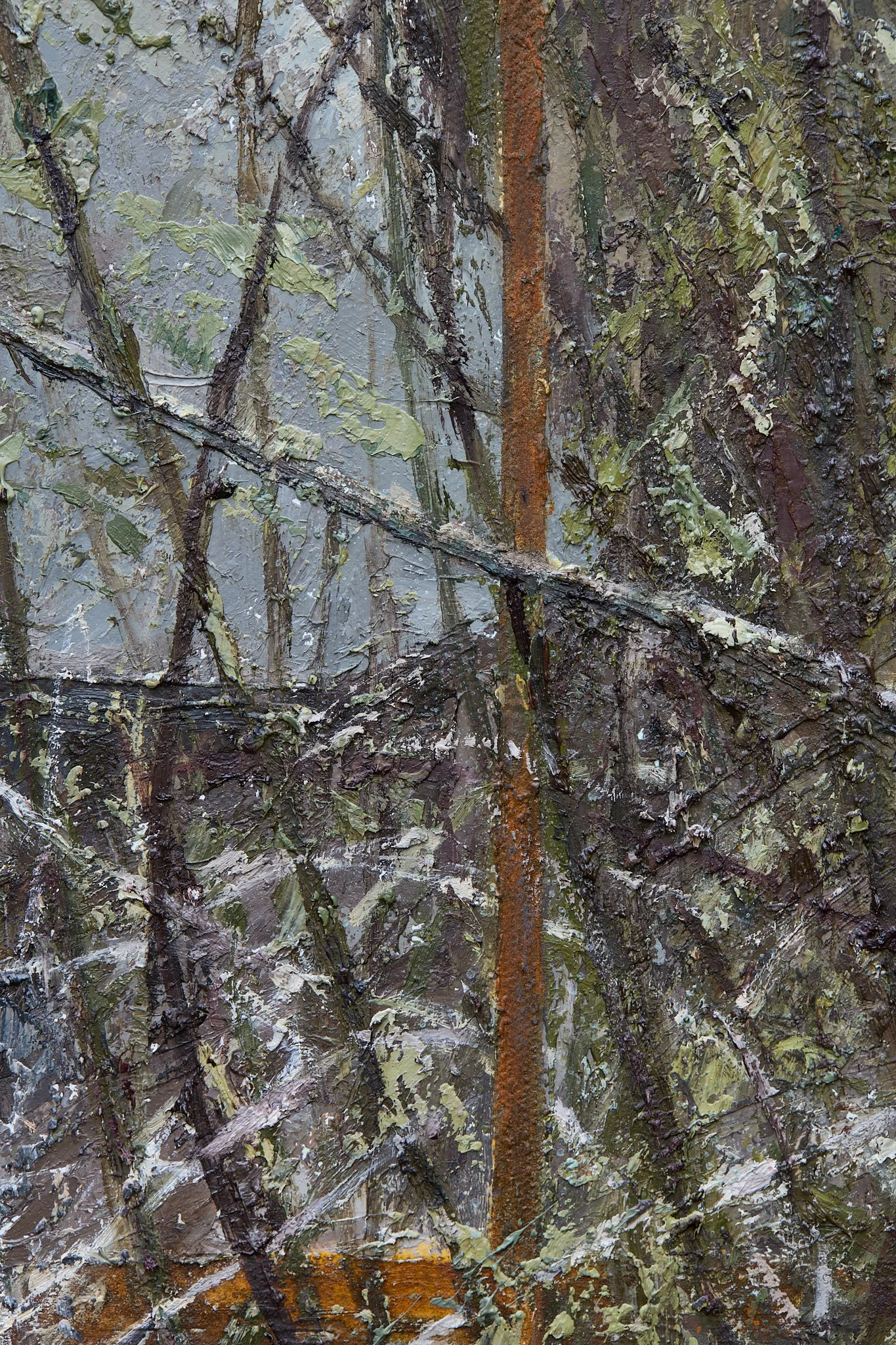
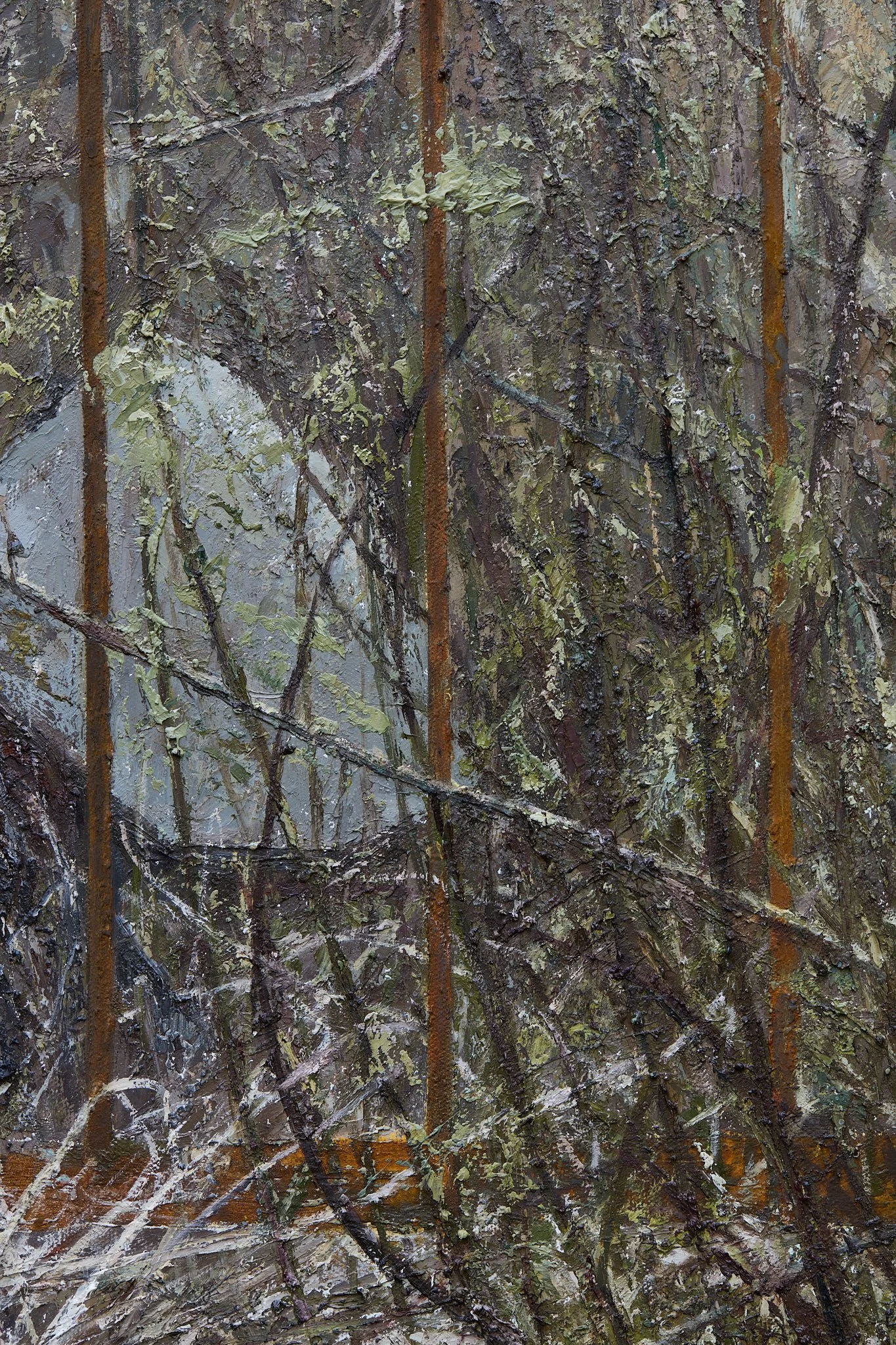
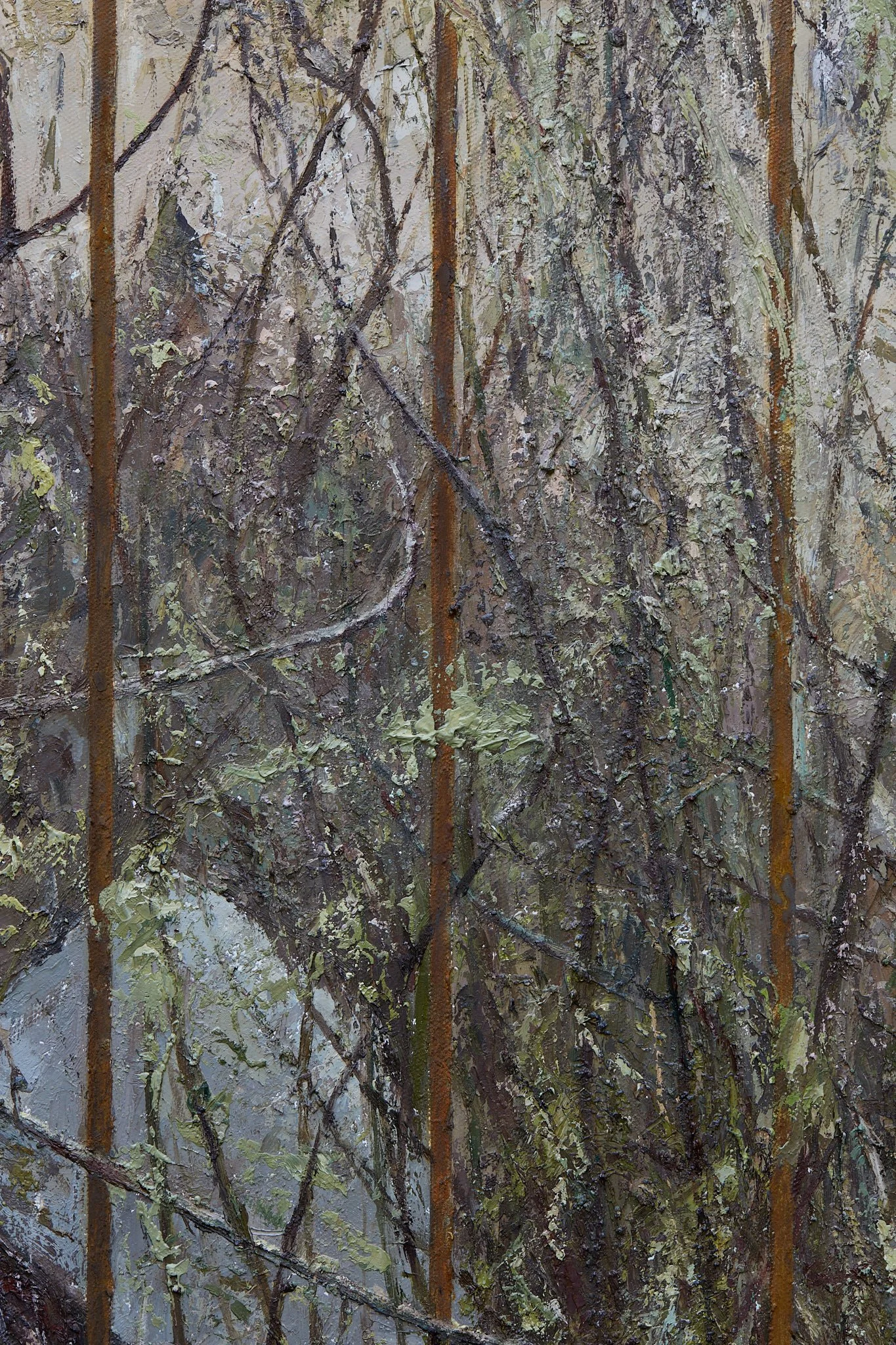
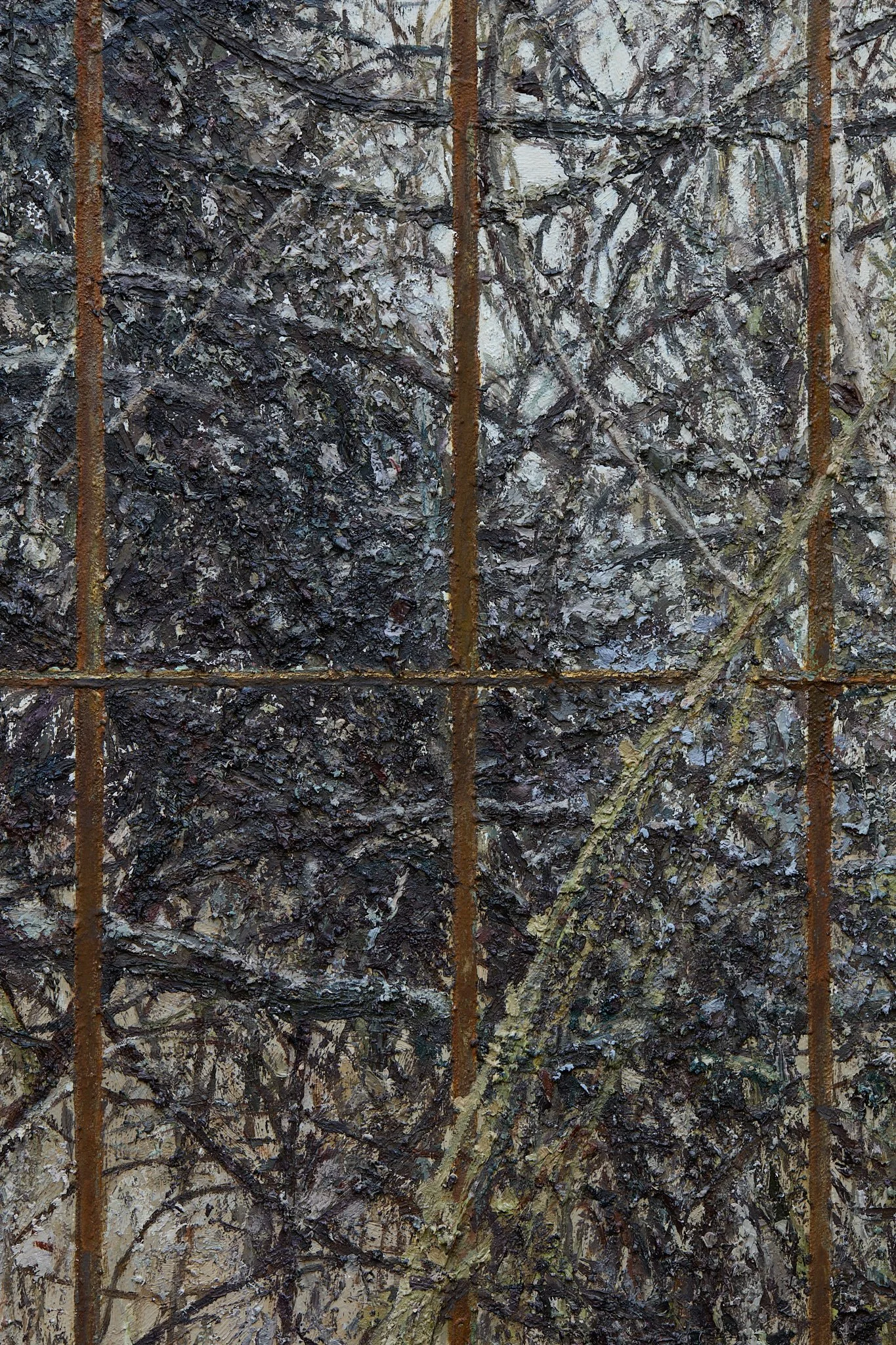
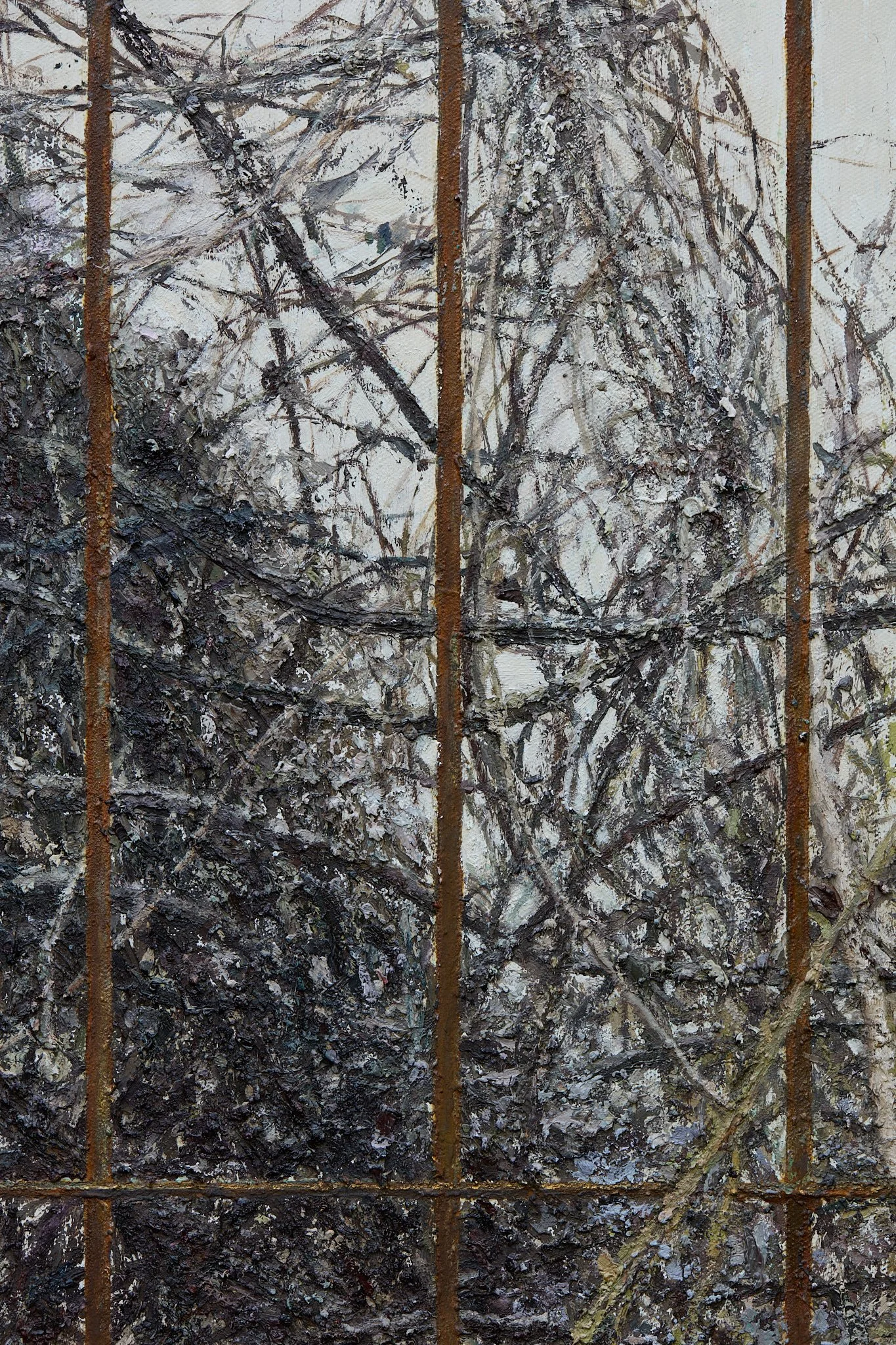
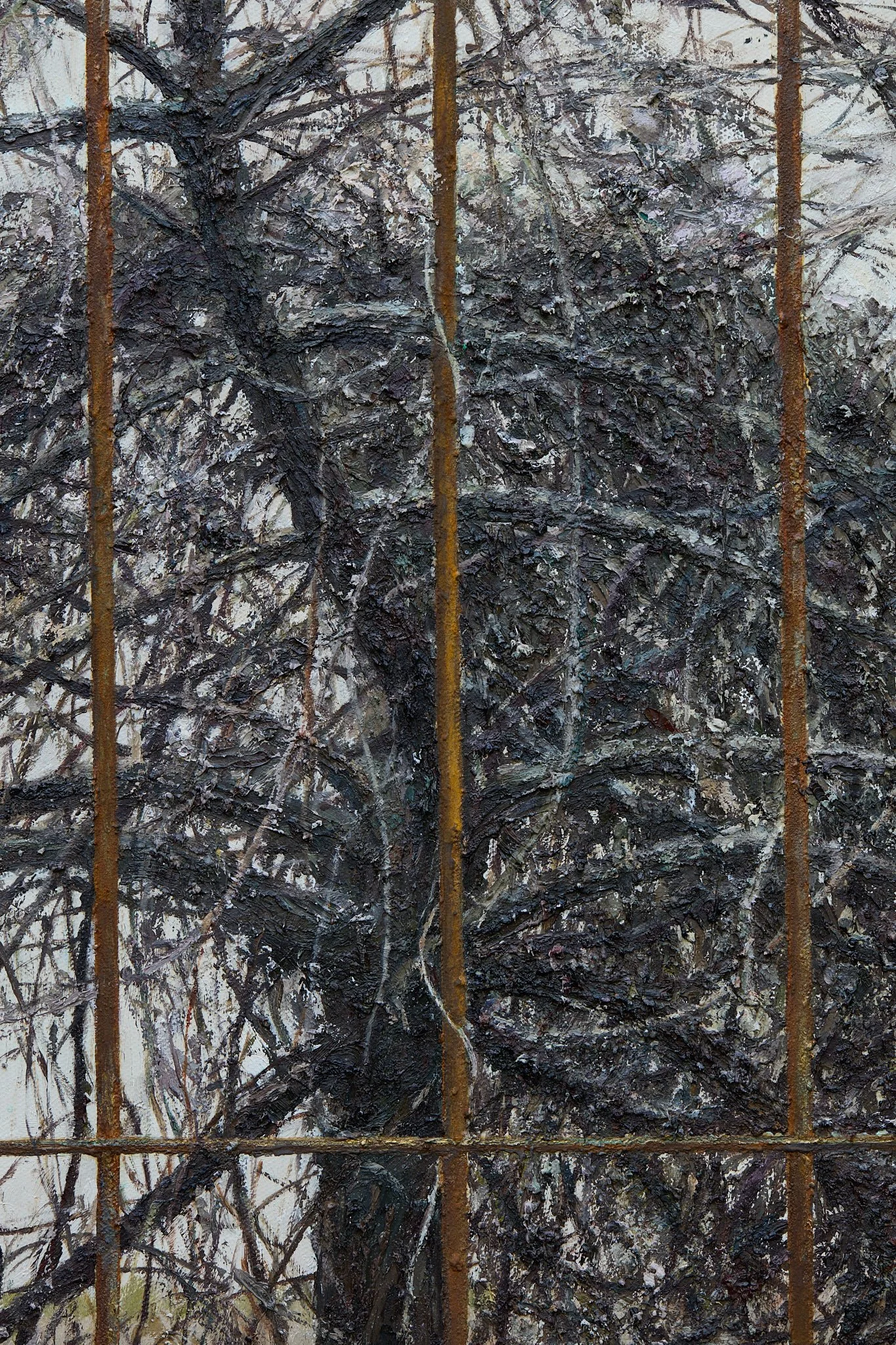
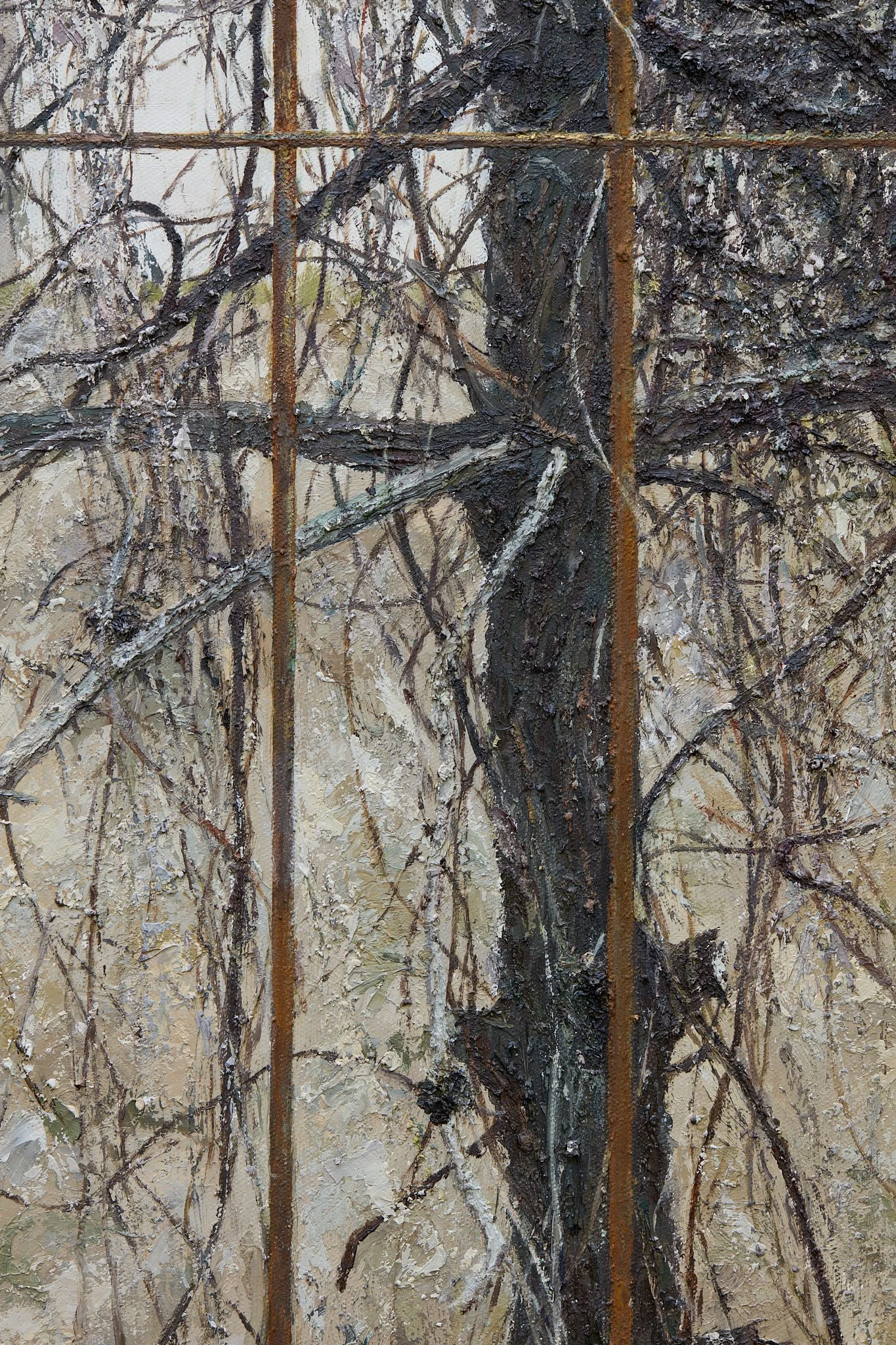
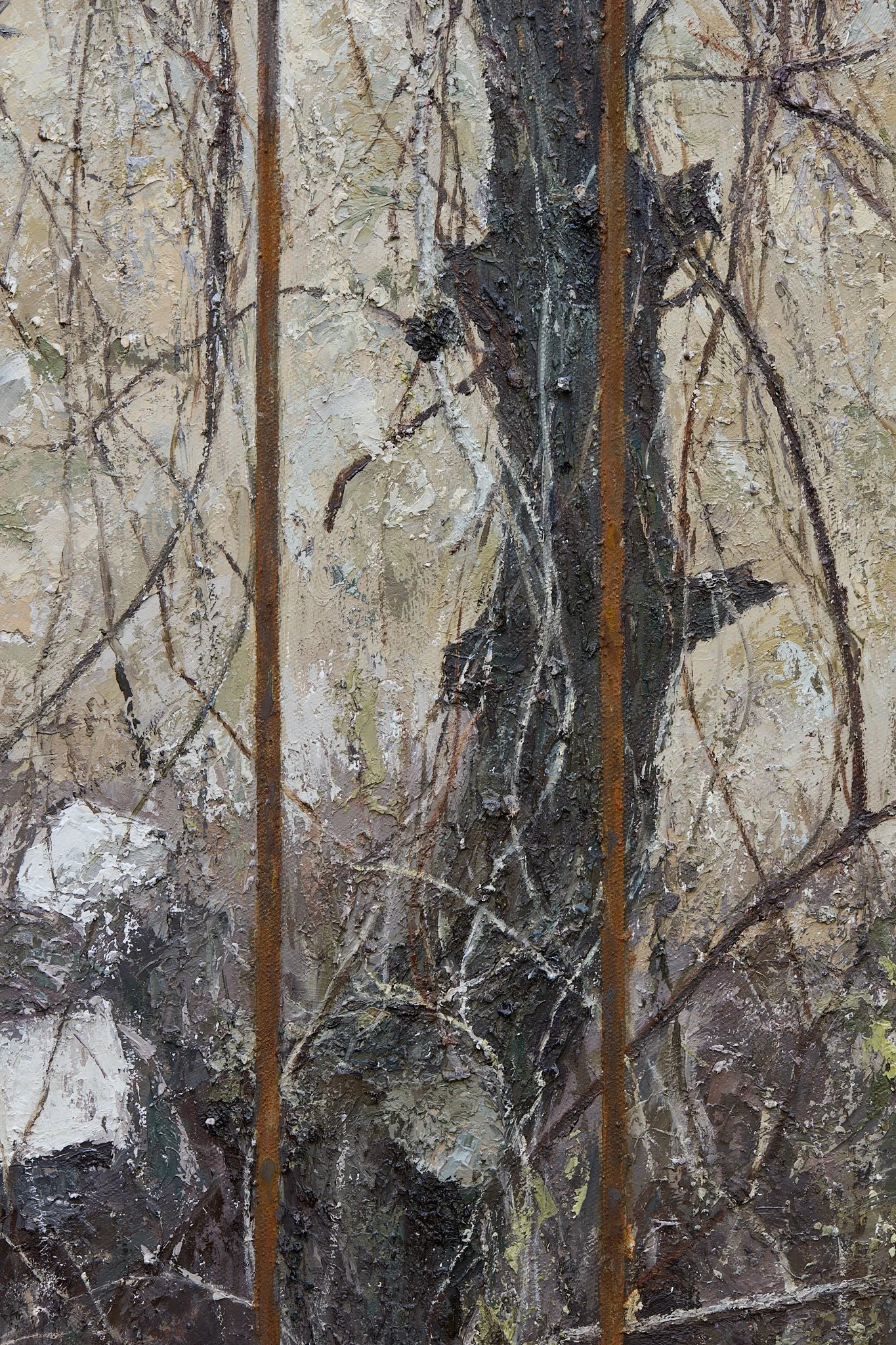
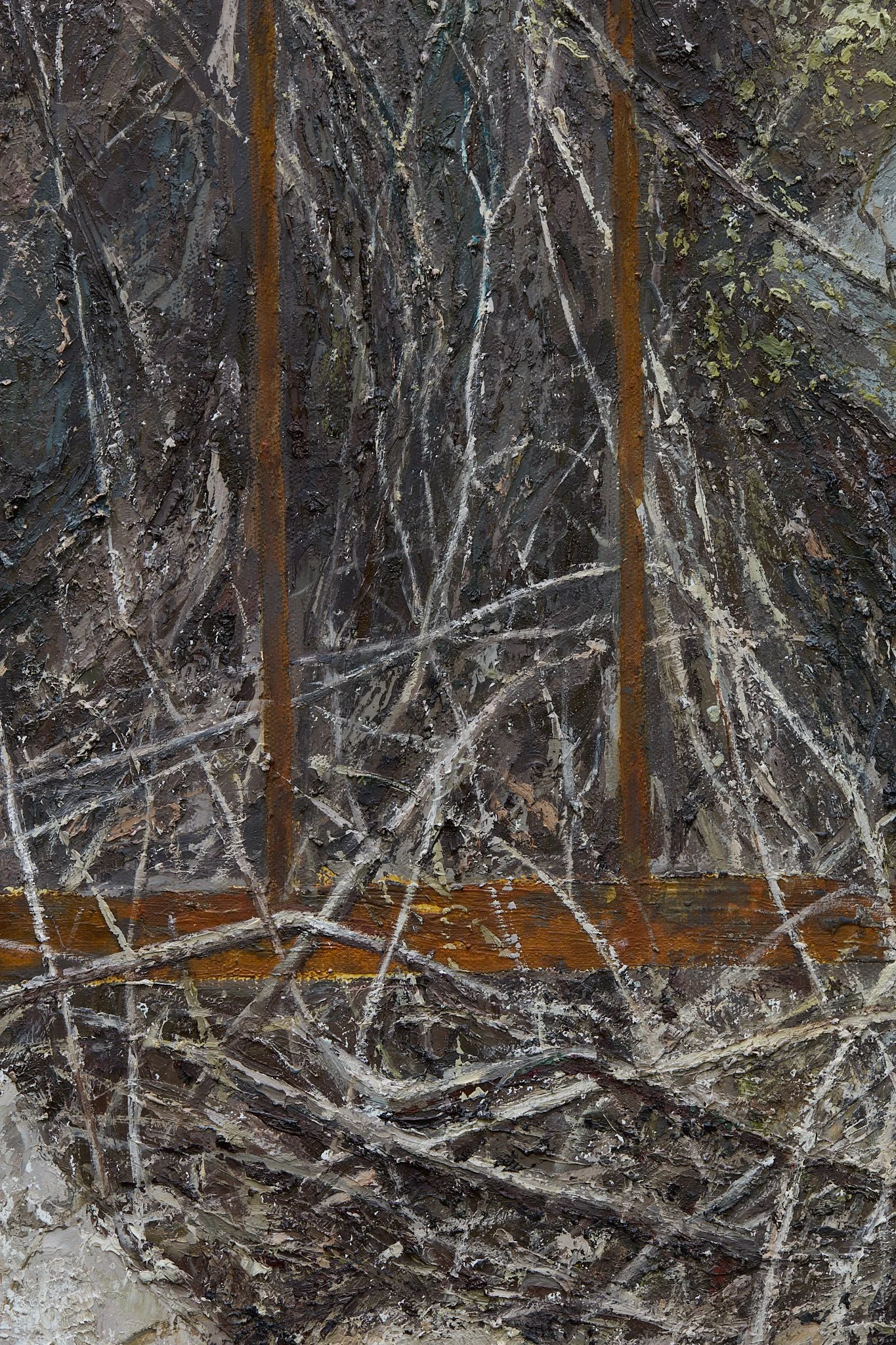
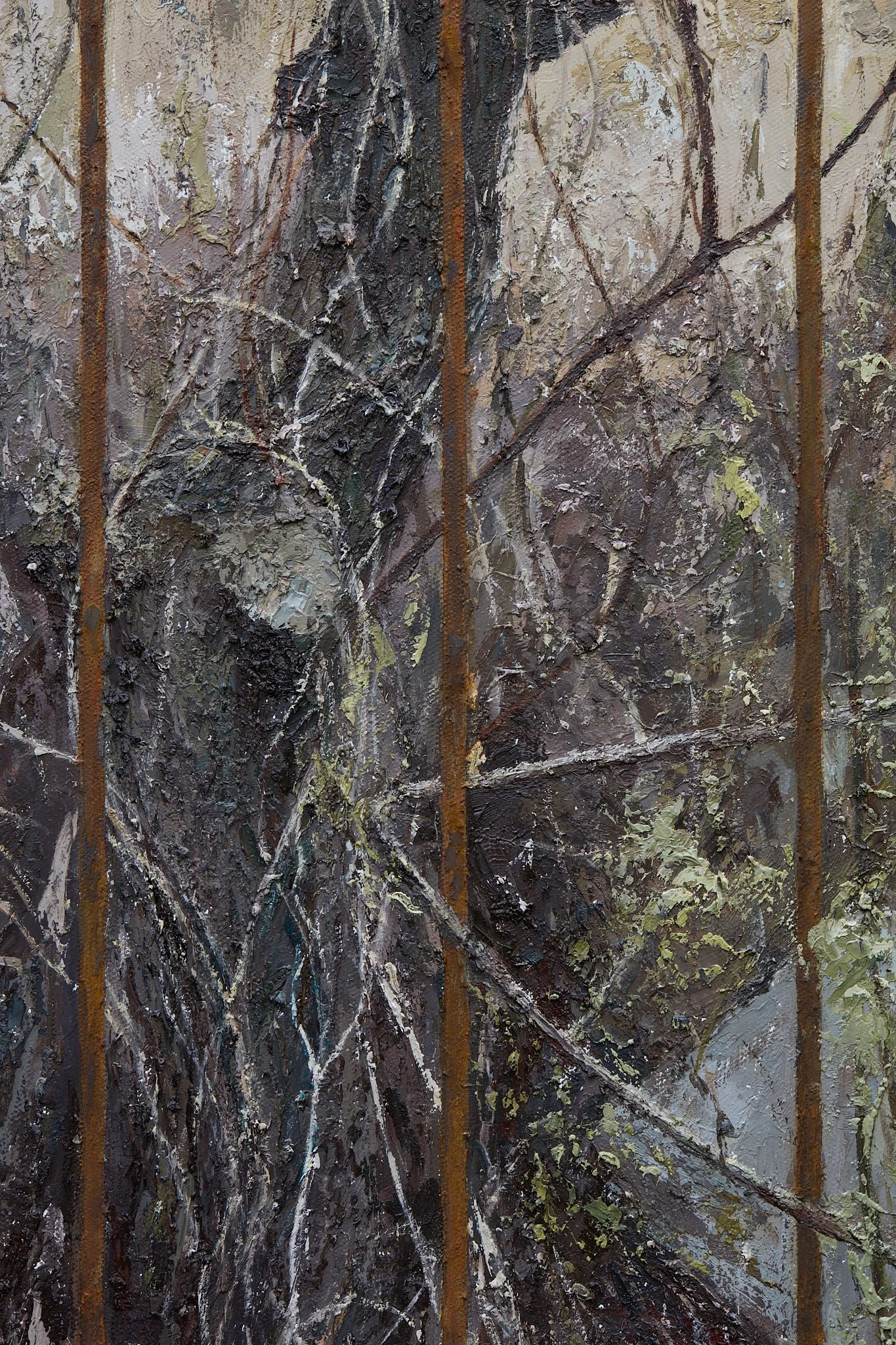
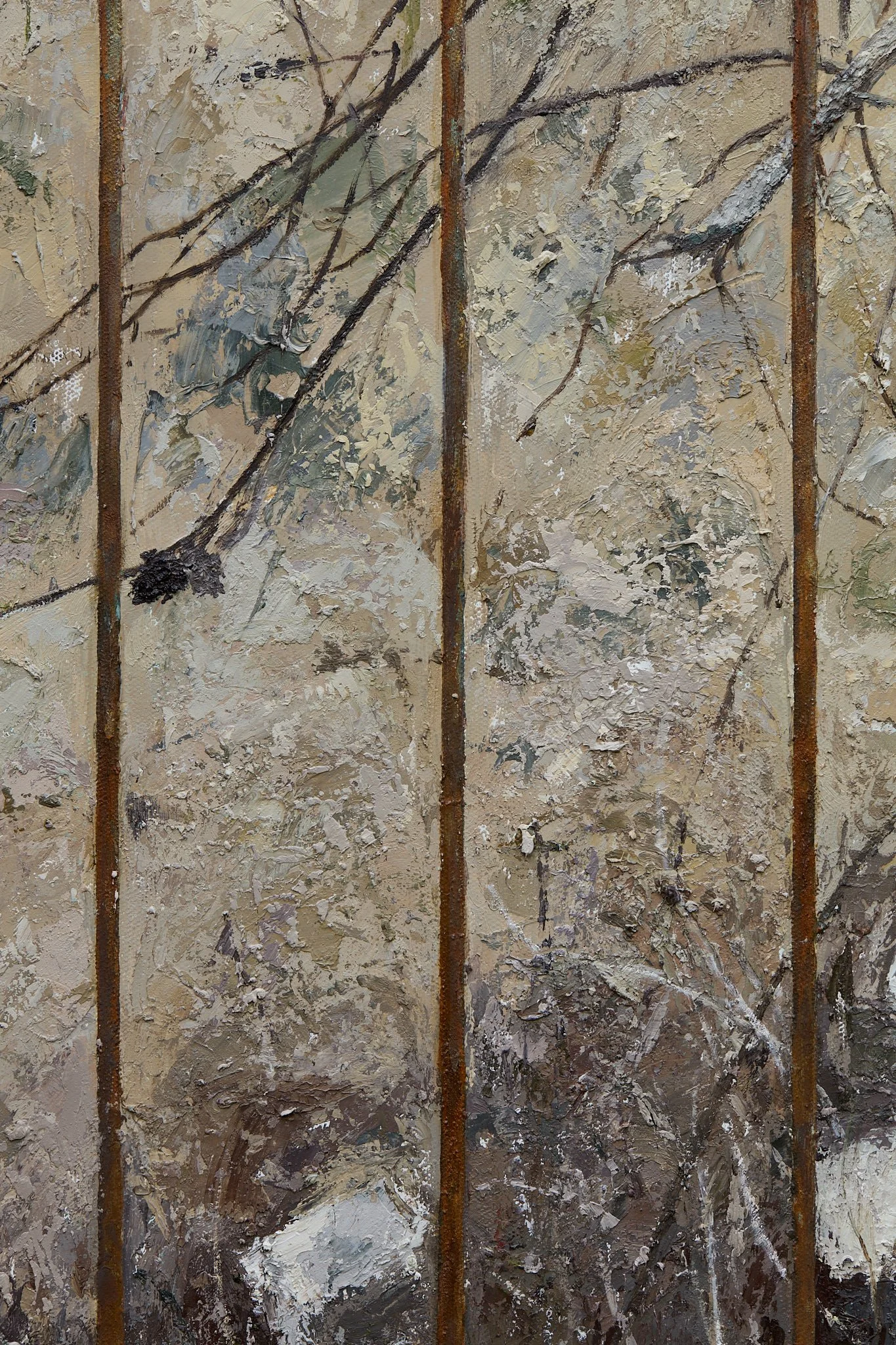
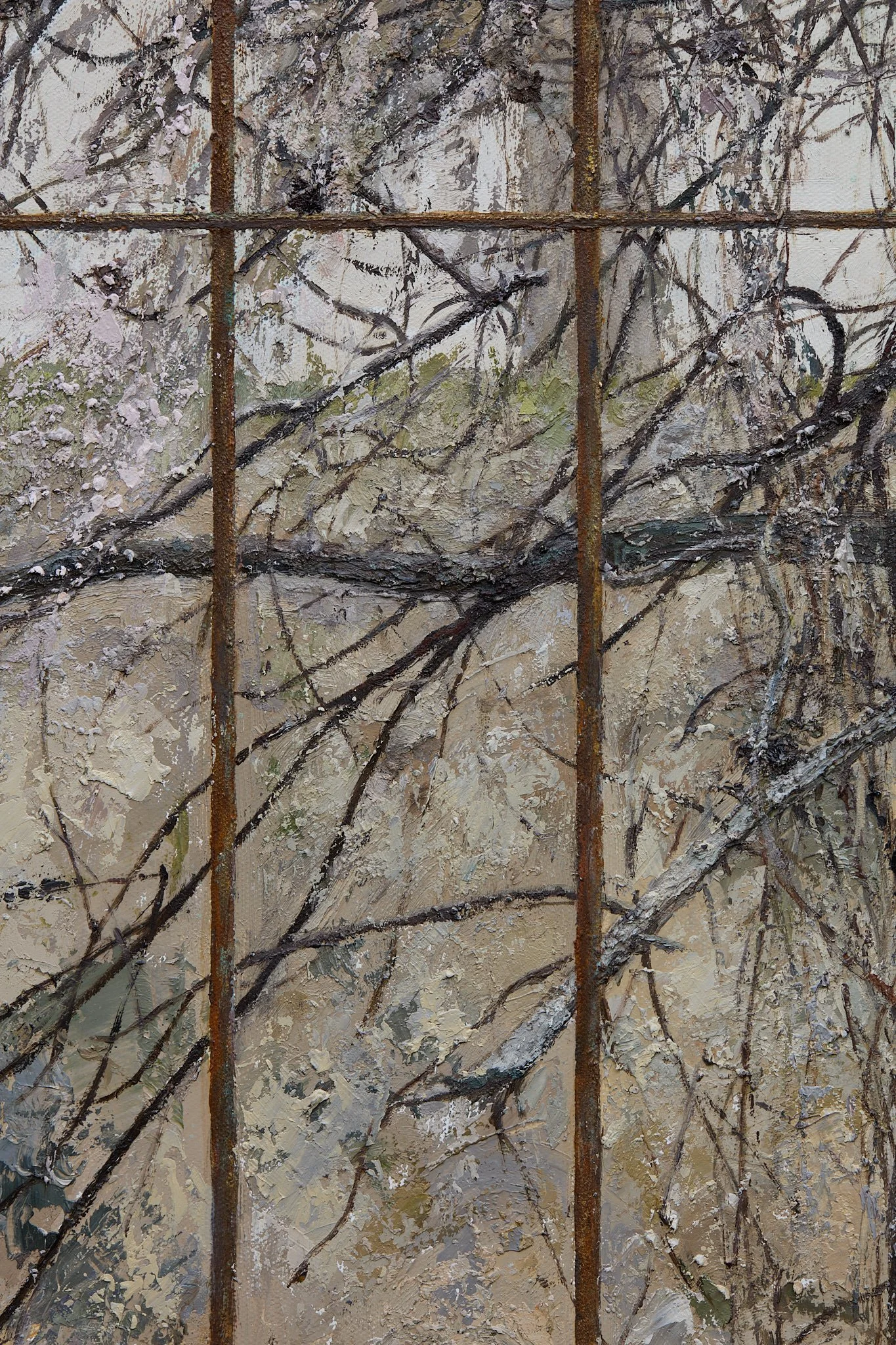
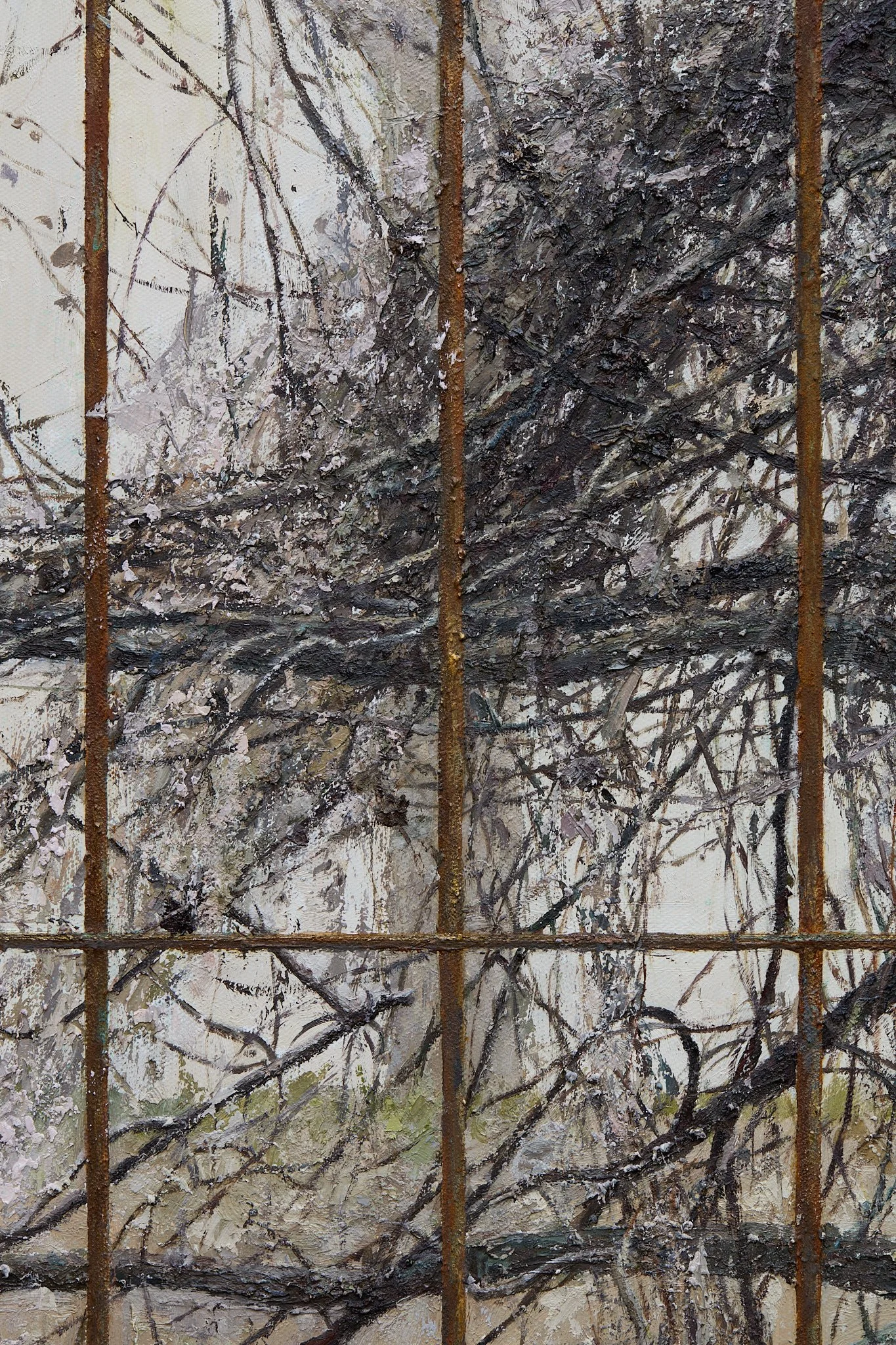
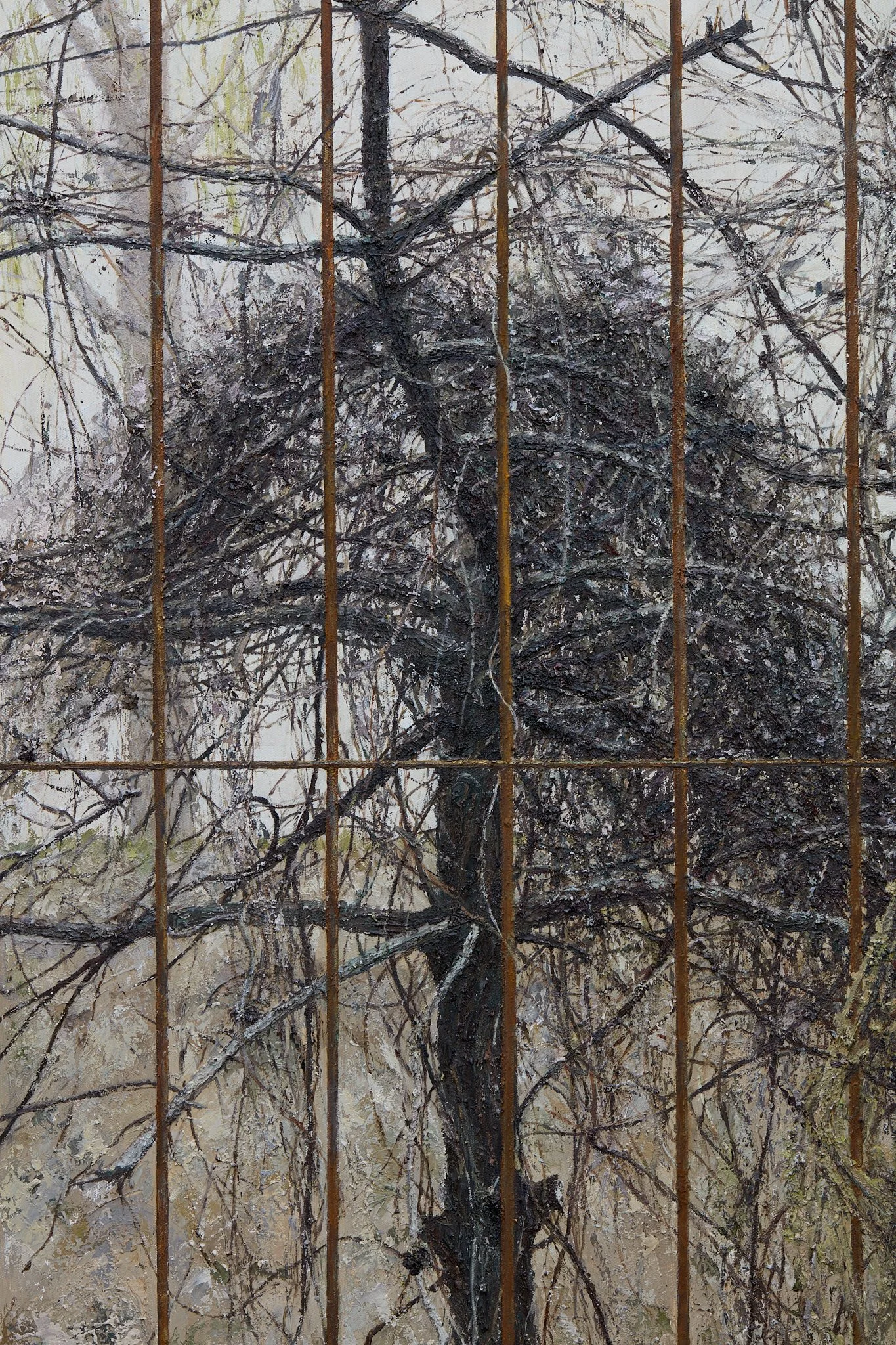
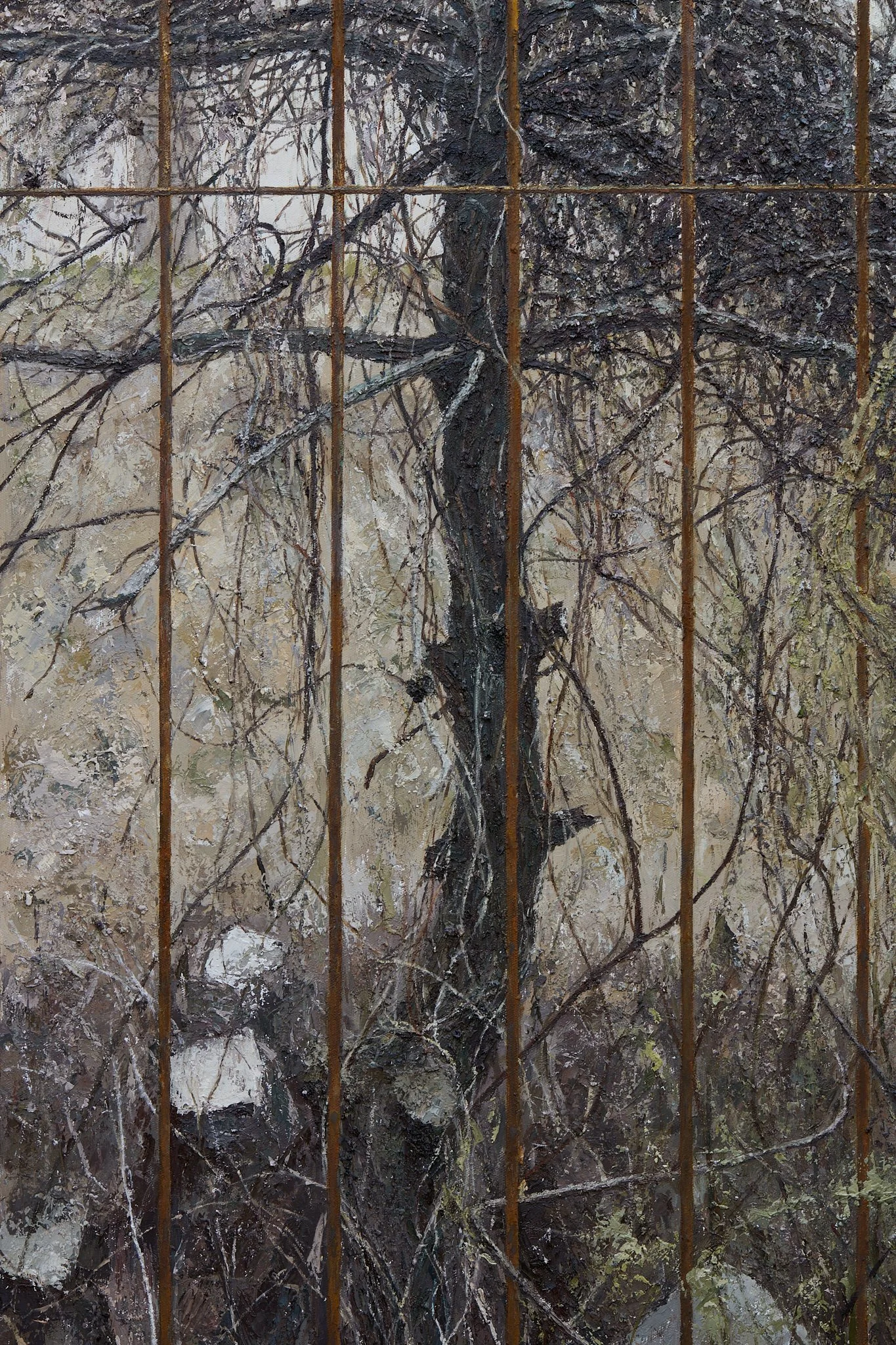
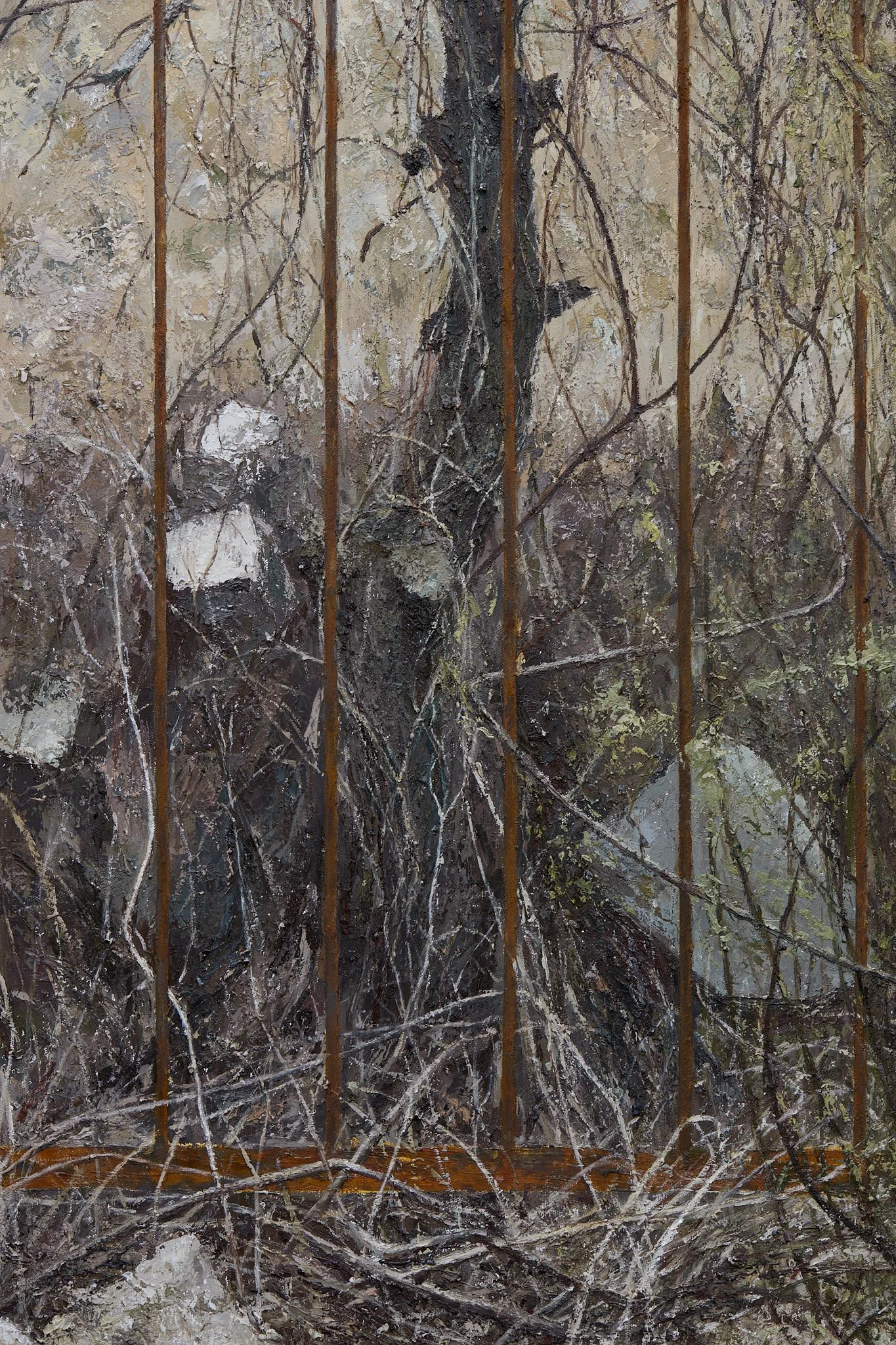
Oil, iron, and bronze on canvas
Diptych (front/reverse), 160 × 80 cm each, 2026
For Erich Neumann
Front
After ‘Erster Wunsch’ (First Wish), by Ivan Meštrović, and the bronze inscription ‘母’ (mother) from the Jihu Mu Fangding (Early Western Zhou, c. 1046–950 BCE)
Oil on canvas, 160 × 80 cm
Jan 26, 2026
What is the opposite of love?
Not hate.
Power.
Power is the capacity to be with oneself in the other.
Compare these two famous Pietà: Käthe Kollwitz (Neue Wache, Berlin) and Michelangelo (St Peter’s, Vatican).
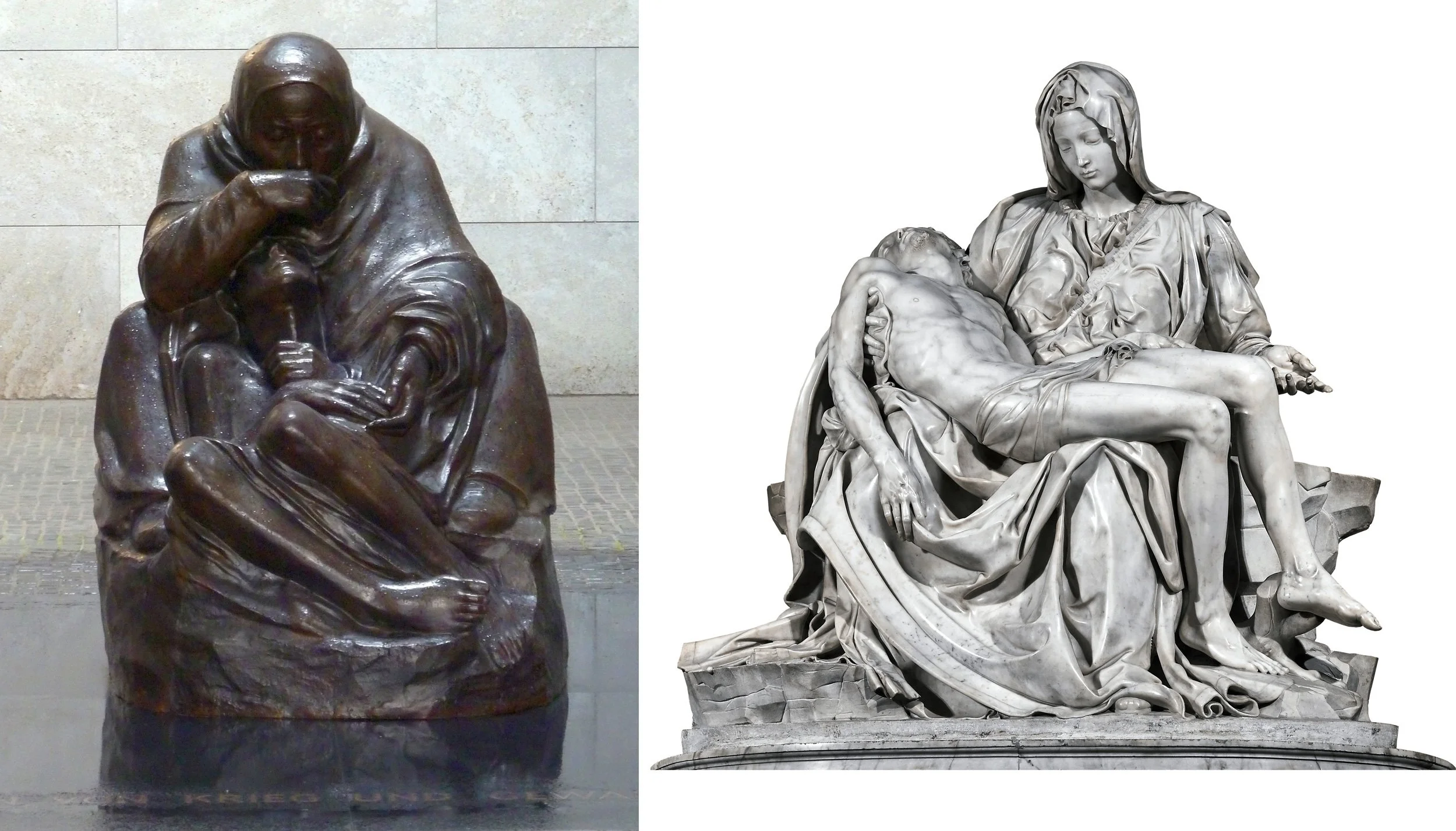
Look carefully at the son.
How much space does he have?
How much independence does his body retain in relation to the mother?
In Michelangelo’s Pietà, Christ remains a body of his own. Even in death he retains weight and dignity. Mary supports him, but she does not collapse upon him. The gesture is restrained and open—a quiet acceptance. Even in mourning, the mother allows the son to remain separate from her.
In Kollwitz’s sculpture, the relation is different. The mother encloses the child. Her body dominates the composition; the son appears helpless, frail, effete, almost absorbed into her mass. The embrace becomes a kind of enclosure.
The version installed at Neue Wache is already a later transformation of this motif. Kollwitz described it as representing ‘no longer pain but reflection… an old, lonely, and brooding woman.’
But look at the earlier version: Mother with Dead Child, 1903, Etching.
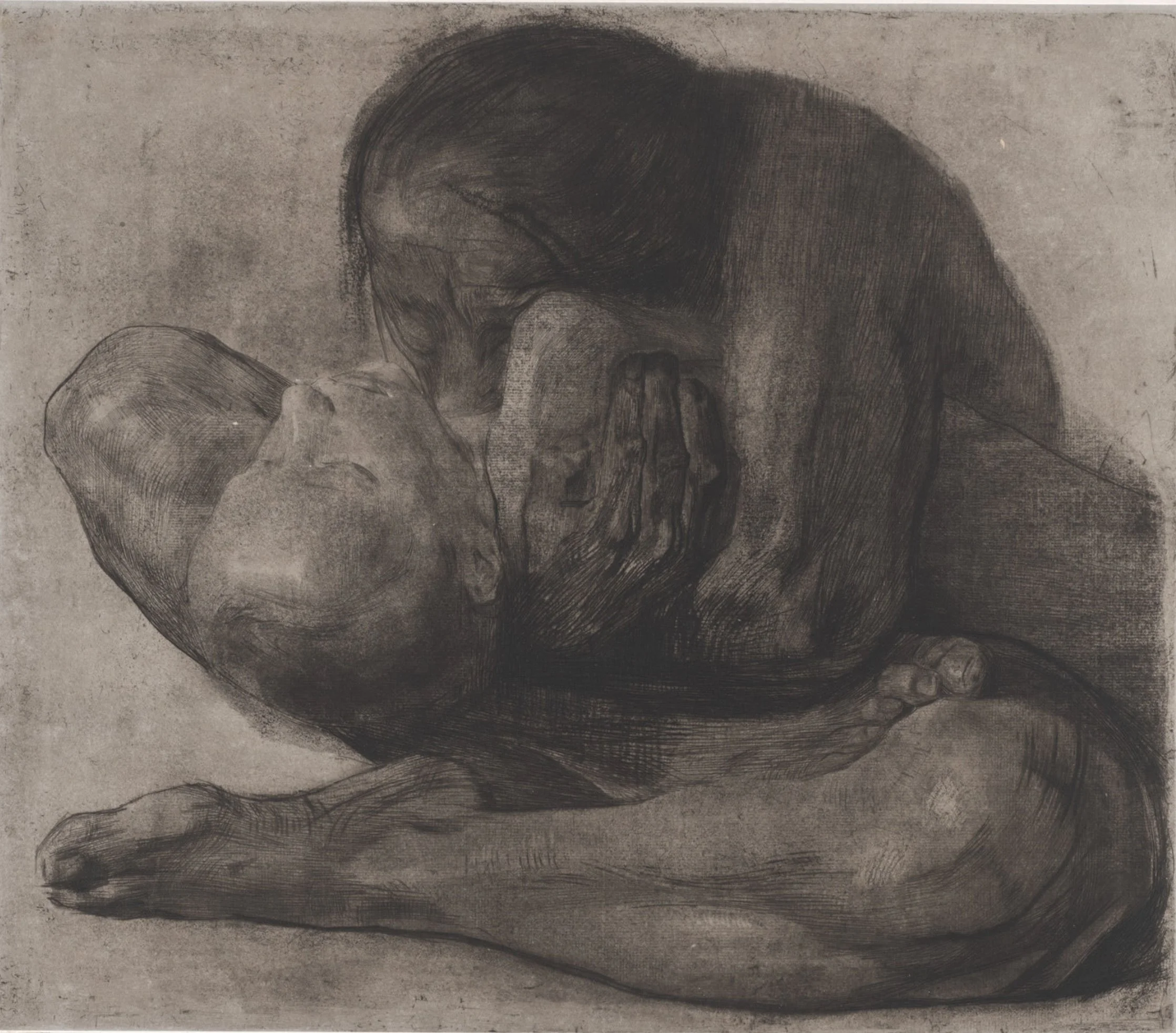
So primal. So real.
The arms close in desperation. Fear tightens the embrace. Protection turns into possession.
Here the two sides of the Great Mother archetype appear clearly.
The nurturing mother gives life by allowing separation.
The devouring mother holds so tightly that the child cannot leave.
Where love cannot release, power takes its place.
And the embrace becomes a trap.